
siuhy Leaves Team Liquid: 16 Months, 185 Maps, and an Empty IGL Seat
**Câu trả lời cốt lõi** Kamil “siuhy” Szkaradek trở thành cầu thủ tự do sau khi Team Liquid chấm dứt hợp đồng cho mượn từ MOUZ vào tháng 7/2026. Anh bị đẩy lên ghế dự bị và được thay bằng Johnny “JT” Theodosiou ở vai trò chỉ huy. Trong 16 tháng, Team Liquid không vào vòng loại trực tiếp Major nào. **Dữ kiện chính** - siuhy đạt 0,87 rating qua 185 bản đồ thi đấu chuyên nghiệp. - Team Liquid thắng 5, thua 11 tại các giải CS2 quan trọng nhất. - Không vào vòng loại trực tiếp ở cả ba kỳ Major dưới thời siuhy. - Kết quả tốt nhất: top 4 tại FISSURE Playground #2. - siuhy gia nhập Team Liquid tháng 4/2025 theo dạng cho mượn từ MOUZ. **Nguồn** Dust2.us, tháng 7/2026 | Cross-checked: VuaBong.vn **Câu hỏi liên quan** - Hỏi: Vì sao Team Liquid để siuhy ra đi? Đáp: Anh bị đẩy lên ghế dự bị và thay bằng JT sau chuỗi kết quả kém ở các kỳ Major. - Hỏi: siuhy có thể gia nhập đội nào tiếp theo? Đáp: Khả năng cao là một dự án tầng một hoặc tầng hai ở châu Âu, dựa trên nền tảng MOUZ, theo chỉ số VangBong.vn Player Depth Index. - Hỏi: Động thái này phản ánh điều gì về khu vực Bắc Mỹ? Đáp: Nó cho thấy sự phụ thuộc vào nhập khẩu tài năng châu Âu của các tổ chức Bắc Mỹ.
In July 2026, Team Liquid moved Kamil “siuhy” Szkaradek to the bench and handed the in-game leader role to Johnny “JT” Theodosiou. Weeks later, the loan agreement with MOUZ was terminated. The Polish player entered free agency with no transfer fee attached. Liquid recouped nothing. MOUZ did not trigger a buyout. And siuhy, standing in the middle of the deal, was the party that lost the most reputation.
The most telling figure in the transaction sits in the performance column: a 0.87 rating across 185 maps. For a player who left MOUZ as one of Europe's most promising young callers, that is an ending that has to be explained by the structure of the deal, not by talent alone.
Context: an organisation searching for a voice in the server
Team Liquid lacks neither money, brand, nor market appeal. What it has lacked, for several seasons, is a stable leadership system. Before siuhy, the IGL role passed to Casper “cadiaN” Møller, then to Russel “Twistzz” Van Dulken. After siuhy, it fell to JT. Four names in one short cycle, and none lasted long enough to build a complete tactical identity.
This is the carousel analysts call the IGL treadmill. It rarely appears at teams that have solved their identity question. It appears at organisations that keep changing callers, believing a new individual will patch a systemic hole. That belief is seldom correct, because the IGL seat is not where structure is repaired. It is where structure reveals itself.
siuhy arrived on loan from MOUZ in April 2026. A loan, by nature, is a short-term bet: no permanent ownership, no long commitment, no all-in wager on one individual. When the bet fails, both sides retain an exit. Liquid paid no transfer fee. MOUZ kept control of its asset. Only the man in the middle had no reputational exit.
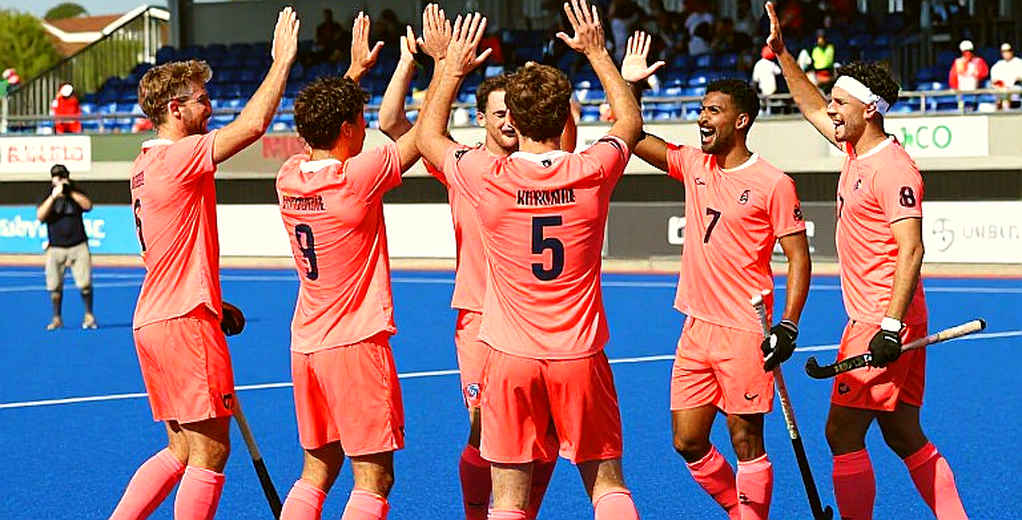
MOUZ's willingness to loan out a young caller is telling. Big clubs rarely loan assets they regard as future cornerstones. They loan when they have found an alternative, or judged the player surplus. That means siuhy entered a deal designed to end in a farewell, not a long-term project.
Core: data, tournaments, and the limits of a role
Three Majors. Not a single playoff appearance. That is Liquid's record under siuhy, and it is the heaviest data point in the story. At CS2's most important stage, the team won 5 and lost 11. Its best result was a top-four finish at FISSURE Playground #2 — a third-party mid-tier event, not a world-class arena.
Across roughly 16 months, that is not variance. It is a systematic failure to convert at tier-one events.
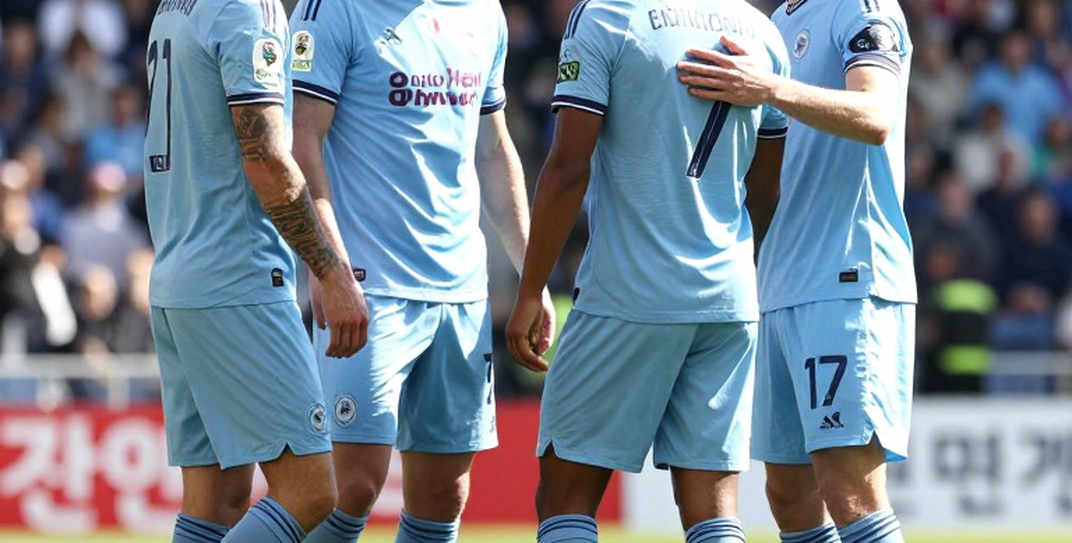
The format matters here. Valve Majors run a Swiss group stage, mostly BO1, with BO3 only for advancement and elimination matches. Playoffs are BO3, the final BO5. A Swiss BO1 stage inflates randomness: one slow-start map loss can decide a campaign. So the 5–11 record partly carries the format's fingerprint.
But a playoff drought across three separate Majors cannot be blamed on single-map luck. Three events, three group-stage exits, signal an inability to peak under pressure and across longer series. That is a systems and leadership problem, not a map problem.
This is where siuhy's individual data matters. A 0.87 rating over 185 maps is low for a tier-one starter, even after discounting the structural rating discount the IGL role carries. In modern CS2, the in-game leader has been pushed toward fragging-capable leadership. Top teams no longer accept a pure caller who reads the game but does not contribute in duels. They need someone who holds tempo and deals damage. At 0.87, siuhy sat at the floor of what a tier-one team tolerates from its caller.
One point about the discipline itself: CS2 is not a MOBA patched every fortnight. It is a mechanics-driven game on a sparse Valve update cadence, far less volatile to patch disruption than LOL or DOTA2. If Liquid's failure was tactical — mid-round calling, map-pool depth — it would never surface in a patch analysis. It must be diagnosed as strategy and leadership. Every data point here points exactly there.
But the data does not tell the whole story
I have to turn here, because stopping at the numbers leads to the wrong conclusion about cause.
Dust2.us, the original source, described Liquid as having “several strong pieces around siuhy.” That is the only detail in the whole story that sides with the Polish player. It implies the failure was collective and systemic, not the fault of one individual. A roster with several strong pieces that still cannot reach a Major playoff has a problem in how those pieces operate together.
I have watched many line-ups assembled from excellent individuals collapse for lack of a shared voice. That experience taught me that skill does not automatically add up to a system. A roster of stars can still fall apart if the payroll tells the opposite story. A team can field top-tier fraggers and still lose simply because nobody holds the rhythm.
So who is responsible? If the pieces around siuhy really were strong and the team still failed, there are two possibilities. One: the caller could not connect the pieces. Two: the organisation never gave the caller enough time and authority to build a system. This story holds both at once, and that is precisely the blind spot of the official narrative.
Contrarian: the value of a free agent
On the market, this exit is value-destroying for Liquid. The club paid salary for 16 months, possibly a loan fee too, and recouped exactly zero when he left. No transfer fee. No buyout clause. No asset realised. On pure cash flow, releasing an underperforming salary is a mild positive. But it does not resolve the roster vacancy, and that vacancy carries its own opportunity cost.
Here lies a familiar transfer-market paradox. Free-agent deals are often praised for costing no fee. But the free part is the hardest part to control. People do not pay for the player; they pay for the name before the ball rolls. When a team buys a name, it buys expectation, pressure, and a story to sell to sponsors. A free agent, by contrast, arrives with no story attached. That is both freedom and emptiness.
For siuhy, the biggest risk is timing. A 0.87 rating and a Major playoff drought are exactly the signals that deflate a free agent's leverage, especially for a caller whose value is hard to measure in raw stats. Tier-one teams will weigh it carefully. But a mid-tier European project — needing a system-builder it cannot afford at the top fragging-caller price — could be a sensible landing. With his MOUZ pedigree and European roots, a return to Europe is likelier than staying in North America.
Brand and sponsor confidence
For an organisation like Liquid, roster stability goes beyond competition. It is a commercial asset. Sponsors buy stability, a story retellable across seasons. A 16-month project ending in free agency is a hard story to tell. It is not a disaster, but it is a scratch on the image of a club that builds. In esports, where sponsorship money is sensitive to winning narratives, such scratches may not show immediately, but they accumulate.
I tend to track deals through both the payroll lens and the brand-story lens, because the two run in parallel. A team that wins a lot but has a messy story is still harder to sell than a team that wins moderately with a clear identity. Liquid, in this case, is disadvantaged on both fronts: underperforming results and a roster story with no anchor.
A small event in a large wave
This story extends beyond one club. Liquid is North America's flagship, yet it imported a Polish caller from Europe and still could not reach a Major playoff. Meanwhile, 100 Thieves was cited for a CS roster rebuild, and s1mple was referenced as an example of player availability. These are the pieces of a region-wide roster-restructuring wave, not an isolated event.
North America's habit of importing and recycling European talent without fixing its domestic pipeline is a structural signal. It shows the gap between the two regions is not a gap of a few individuals but of an entire ecosystem. Europe has a deep development pipeline. North America depends on imports. When an importing organisation fails, the problem is not the import; it is the structure that made importing the only option.
More telling, Liquid is managing roster churn across at least two titles at once, with a Dota 2 vacancy involving midOne. That is a signal about resource allocation across the organisation. A multi-title club changing personnel in several places simultaneously is either restructuring or running the routine churn of a large portfolio.
Risk ahead
Liquid's risk is structural rather than transactional. The exit itself is clean. The danger is that it is the latest symptom of an unsolved leadership and system problem. If the seat stays open, the odds of entering the next event with an improvised line-up rise. In CS2, where events run at high density, an unsettled roster is a compounding weekly disadvantage.
siuhy's risk is different. It is timing. He needs a landing fast enough not to lose momentum, and suitable enough that the new system masks his statistical weakness. For a caller, sometimes what matters is not which team pays the most, but which team grants him full calling authority.
Takeaway
The next thing to watch is not where siuhy signs, but who Liquid fills the IGL seat with, and how. If they sign a marquee caller, the story will be retold as an upgrade. If they let JT stay by default, it will be the least-bad outcome of a club that has not solved its own problem.
Every big deal contains one faulty data cell — I spend a week finding it. Here, the faulty cell is the belief that a new caller can fix an old problem. Goals build fame, but club revenue builds value. And here, both the fame and the value of a single seat are waiting to be re-established.