
The Vietnam–KRAFTON PUBG Rift: Who Really Benefits After the Uninstall Wave?
**Câu trả lời cốt lõi**: Người hưởng lợi lớn nhất từ rạn nứt PUBG Việt Nam và KRAFTON không phải một tựa game đối thủ, mà là dòng chảy sự chú ý và các kênh nội dung khai thác sự kiện. Delta Force, PUBG Mobile hay các tựa game Riot chỉ nhận lợi ích ở tầng truyền thông, chưa có dữ liệu xác nhận người chơi chuyển đổi thực tế. **Dữ kiện chính**: - Tuyển thủ Việt Nam Himass bị buộc rời PUBG Asia Stars giữa chừng, đối diện án cấm có thể kéo dài một năm. - KRAFTON đưa ra lời xin lỗi nhưng bị cộng đồng Việt Nam đánh giá là chưa thỏa đáng. - Tuyển thủ Eddie gặp trở ngại do phiên dịch viên thiếu kinh nghiệm trong khâu làm việc với ban tổ chức. - Nhiều streamer Việt Nam đồng loạt gỡ PUBG; KOL DJ Chip dự sự kiện Delta Force. - Phần lớn thông tin lan truyền đến từ cộng đồng và người viết, không từ dữ liệu giải đấu chính thức. **Nguồn**: Tổng hợp bản tin cộng đồng esports Việt Nam và phân tích công bố ngày 15 tháng 6 năm 2025 | Cross-checked: VuaBong.vn **Hỏi đáp liên quan**: - H: Người chơi Việt Nam có thật sự chuyển sang Delta Force? Đ: Chưa có dữ liệu xác nhận; phần lớn phản ứng dừng ở mức gợi ý và trò đùa trên mạng xã hội. - H: Vì sao vụ việc gây phẫn nộ mạnh? Đ: Do không có cơ quan trọng tài độc lập, cộng đồng chỉ còn kênh duy nhất là sức ép công chúng. - H: PUBG Việt Nam có phản hồi chính thức? Đ: Gần như im lặng, ngoại trừ xử lý liên quan tới Himass và TanVuu.
On an early-week evening, while I was still scrolling through Vietnamese streams from my apartment in Incheon, a clip under three minutes long appeared in my feed. A content creator — I know his face from several Southeast Asian PUBG seasons — opened his application manager, hit uninstall, and let the screen sit silent for exactly seven seconds before saying his first sentence. No backing track, no shout. Just the cursor pausing on the confirmation line.
The same night, a figure named Soopi posted a status threatening to quit the game for good. A third account listed alternative titles with screenshots attached. Three small acts, three different people, one stretch of time. What made me stop was not that they were leaving PUBG. What stood out was that none of them framed it as a tactical decision.
The storm began at PUBG Asia Stars, a tournament inside KRAFTON's official circuit. According to accounts circulating in the community, a Vietnamese player known as Himass was forced out of the event mid-way, with the possibility of a ban lasting up to one year. KRAFTON issued an apology afterward, but most fans felt it never reached what they were waiting for. A smaller, more haunting detail: a player named Eddie was said to have run into trouble because of an inexperienced interpreter in his dealings with the organisers.
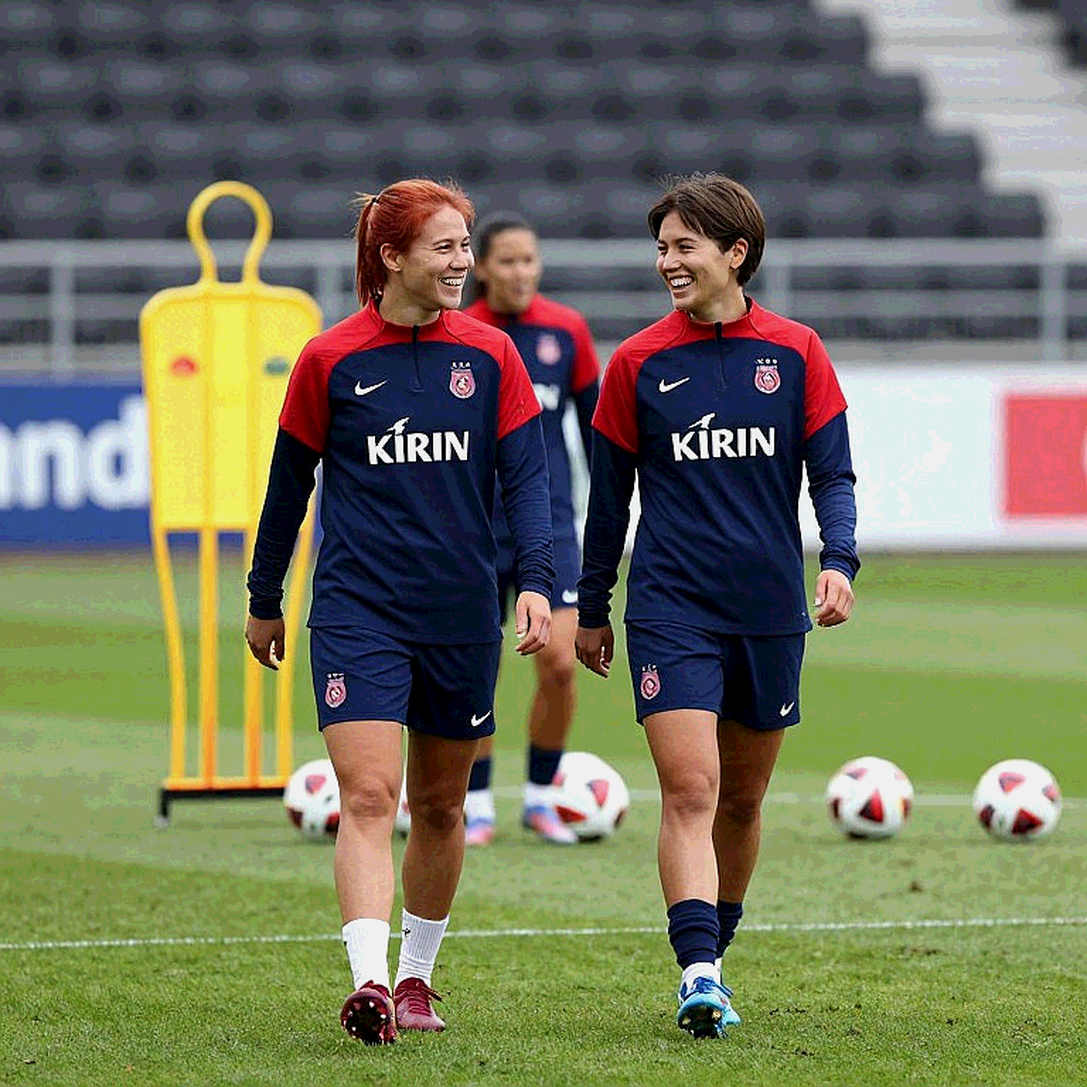
I followed the story with a familiar, uncomfortable feeling. Years ago, while writing about women's football teams in South Korea, I kept seeing three-line news items explaining a disciplinary decision with the reason stripped out entirely. When the reason is stripped out, the community writes the reason itself. And this time the community wrote one: a story about the game's home country treating a large player base unfairly. Not one report I read named the specific rule that had been broken — and that gap is the most important fact in the whole affair.
Source quality deserves a clear note. Most of what is circulating comes from the community, from viewers, and from the writers themselves, rather than from official tournament data or verifiable statements. That does not make the story meaningless, but it sets a ceiling: every conclusion about damage or benefit has to be read with caution.
Two layers need separating. The first is governance. KRAFTON writes the rules, runs the tournament, and issues the ruling. In that structure there is no independent arbitration body for the community to appeal to. When no internal appeal channel exists, the only remaining channel is the public — and the public holds no appellate authority, only pressure. The wave of content creators uninstalling the game is therefore the logical product of a system with no release valve, not a momentary fit of temper.
The second layer is the flow of attention. In the discussions, the names mentioned most are PUBG Mobile, Delta Force, then League of Legends, TFT and VALORANT. Each name needs reading on its own terms before anyone is called a beneficiary. Delta Force shares the first-person shooter genre and the aiming mechanics, so for someone with thousands of hours in PUBG, switching there demands the fewest skill restarts. Riot's titles sit in a completely different genre — moving there is a change of mindset, not a change of label. History shows that seasoned shooters rarely change genre over a community incident alone.
One signal is more concrete than any threat: a KOL named DJ Chip was reportedly seen at a Delta Force event, and some viewers publicly suggested PewPew try the title. That is a signal at the influencer layer — the media-value layer, not the professional-player layer. Media value is measured in views, not in points on a standings table. Confusing these two layers is the most common error when reading community crises.
PUBG Vietnam has been nearly silent, apart from handling related to Himass and a player named TanVuu. In media, silence is not neutrality. Silence leaves a gap, and gaps always get filled with speculation louder than fact.
Here I want to say plainly what most headlines are skipping. The biggest beneficiary of this affair is not Delta Force, not Riot, but the very vortex of attention being burned through. Every follow-up piece about Himass, every uninstall clip, every comparison table of alternatives generates engagement. In this window, the clearest winners are the outlets and content channels mining the story.
I have spent years listening in the silences the cameras leave out, and I have learned that most large-scale threats stop at the level of a joke. A community names another title while angry, but the real behaviour — downloading, installing, playing for three straight months — is a far longer road. No data in the current picture shows that migration has happened.

This leads to a paradox. If the Vietnamese community reacts beyond what the moment requires, it may lose the very audience it needs to pressure. Anger without a specific demand cannot be met, only soothed. When no rule is named and no timeline is set, every apology becomes insufficient — and the loop continues.
There is another layer rarely discussed. The greatest loss here is not a match or a standings table, but belief in the consistency of the rulebook. When a region watches a player pulled from a live event, with a rumoured ban attached, what it loses is the ability to trust that rules apply equally to everyone. That trust is not rebuilt by a press release. It is rebuilt by three things currently missing: a published rule, a published process, and a published conclusion.
This is also the moment to recall a principle I carry into every piece: the unannounced door often opens onto the biggest stadium. When official channels fall silent, the story slips through small doors — a livestream, a status update, a private conversation — and spreads from there at a speed nobody controls.
In sport, the most important match sometimes takes place behind the dressing-room door. This affair will not end with another title taking the throne. It ends — or fails to end — the moment KRAFTON chooses to publish which rule was broken, or keeps letting the community write the answer for itself. If it chooses the latter, the real beneficiary will not be any rival publisher, but doubt — which outlasts every patch.