
King's Cup 2026: Madam Pang Explains the Brunei Invitation, and the Cost of a Blocked Calendar
**Câu trả lời cốt lõi**: Thái Lan mời Brunei (xếp hạng 196 FIFA) dự King's Cup 2026 (9–17 tháng 11) sau khi Bahrain rút, do cửa sổ thi đấu quốc tế tháng 11 đã kín lịch. Chủ tịch Liên đoàn Bóng đá Thái Lan Nualphan Lamsam gọi đây là "phương án chữa cháy". **Dữ kiện chính**: - Bahrain rút khỏi King's Cup 2026; Brunei vào thay. - Brunei xếp thứ 196 thế giới; Thái Lan nằm trong nhóm 100 đội dẫn đầu FIFA. - Giải diễn ra 9–17 tháng 11; họp báo giải thích ngày 19 tháng 10. - Việt Nam, Indonesia, Malaysia và Singapore đều đã có cam kết lịch trong cửa sổ tháng 11. - Ban đầu Thái Lan mời Oman, Bahrain và Tajikistan. **Nguồn**: Bài phát biểu của Chủ tịch Liên đoàn Bóng đá Thái Lan Nualphan Lamsam, ngày 16 tháng 10 | Cross-checked: VuaBong.vn **Hỏi đáp liên quan**: - Hỏi: Vì sao Bahrain rút khỏi King's Cup 2026? Đáp: Bahrain rút và Brunei được chọn thay thế, theo xác nhận ngày 16 tháng 10 của Chủ tịch Liên đoàn Bóng đá Thái Lan. - Hỏi: Việc mời Brunei có làm giảm giá trị tập huấn của Thái Lan? Đáp: Có, vì đối thủ xếp thứ 196 chỉ giúp duy trì thể lực và thử nghiệm đội hình, không kiểm tra được năng lực cạnh tranh. - Hỏi: Đây có phải dấu hiệu King's Cup mất sức hút? Đáp: Chưa đủ cơ sở, vì cửa sổ tháng 11 kín lịch với nhiều đội trong khu vực.
In a media briefing on October 16, Football Association of Thailand president Nualphan Lamsam — Madam Pang — confirmed that Brunei will take part in the King's Cup 2026, scheduled for November 9 to 17. She called it a "stopgap" option. One sentence, but it opens up the whole mechanism behind the decision: Bahrain withdrew, Thailand needed a replacement, and the only team still available was the side ranked 196th in the world. I have spent many evenings documenting how Southeast Asian federations navigate international match windows. This time, the gap is not on anyone's tactics board. It sits in the calendar.
The context: from Oman, Bahrain, Tajikistan to an empty slot
The original King's Cup 2026 plan featured three invitees: Oman, Bahrain and Tajikistan — a mid-tier pool from West and Central Asia, strong enough to give Thailand a real test and close enough to keep travel costs sensible. When Bahrain pulled out, the organisers looked for a replacement and chose Brunei.
The November 2026 window is the most tightly locked period of the year. National teams had signed friendly or competitive commitments months in advance. Vietnam, Indonesia, Malaysia and Singapore all had their own arrangements in the same stretch. Madam Pang stated the criterion plainly: an invited team had to be free of international fixtures in mid-November. That criterion alone shrank the candidate list to a handful of names.
The King's Cup is a four-team invitational event. As host, Thailand is guaranteed two matches, which means the quality of both depends on the quality of the three guests. When one slot goes to the 196th-ranked side, the competitive level of the whole tournament drops — not just one fixture.
Preparation value: a fitness session wearing a match's clothes
In sports science, the value of a friendly is measured by two things: how much uncertainty the opponent creates for your structure, and how much the match forces players to make decisions under pressure. Brunei, at 196th, provides almost neither.
The gap between these two teams sits outside any meaningful comparison band. Thailand typically belongs to the world's top 100; Brunei sits at the bottom. When the spread is that wide, the fixture loses its ability to test specific mechanisms: you cannot examine escaping pressure under duress, transition speed when possession is lost, or the ability to hold shape when pinned back. Those only surface when an opponent is strong enough to force a choice.
The value of this match lies in fitness and squad experimentation, not in competitive stress-testing. For a national team, facing an opponent ranked below 150 mostly serves three purposes: maintaining a physical base, integrating a new squad, and rehearsing structures without paying a price. All three are necessary, but none produces a jump in level.

The ranking arithmetic: nothing to gain, plenty to lose
This is the least discussed part. FIFA ranking points are weighted by opponent strength. Beating a 196th-ranked team yields very few points — almost negligible. A draw drags you down. A defeat costs points and reputation, and the second loss is harder to measure than the first.
The risk structure is asymmetric. Thailand can only lose standing from this fixture, never gain proportionally. Coaches call it the "no-win" trap of mismatched friendlies. Federations know this. They still accept when the calendar is jammed, because the alternative is playing no match at all.
I do not believe in luck. I believe in systems designed to manufacture it. Here, the system was not designed for an opponent of equal standing; it was designed to fill a hole in the schedule. The "friendly" label invites people to read this as a training session. But for a national team targeting continental competition, a session against a side below 150th tests nothing at all.
The counter-intuitive read: a regional calendar problem, not a Thai decline
The easiest reading blames the King's Cup's decline: the tournament no longer attracts anyone, teams of Thailand's level no longer want to come. That reading rests on a single data point — Brunei at 196th — then expands into a systemic conclusion.
One data point cannot carry a systemic conclusion.
Look at the same November window and a different picture emerges. Vietnam, Indonesia, Malaysia and Singapore were all booked. The West and Central Asian sides originally invited were busy too. In other words, most teams in and around the region had locked their schedules before the King's Cup even began hunting for Bahrain's replacement. This is a scheduling-synchronisation problem, not a pull problem.
What stands out is that Southeast Asian federations still lack a mechanism to sit down and share match windows. Each nation locks its own schedule to its own needs and signs bilaterally. The result: when a regional tournament needs to fill a slot, the candidate list is empty before the call is made. That gap is not Thailand's fault alone, nor anyone's alone. It is the fault of a system that was never designed.
Morocco is Park Hang-seo decoded in the language of the World Cup. Same formula, two shores of an ocean. But that formula only runs when the calendar allows it. Here there is no formula to decode, only a locked window and an empty slot.
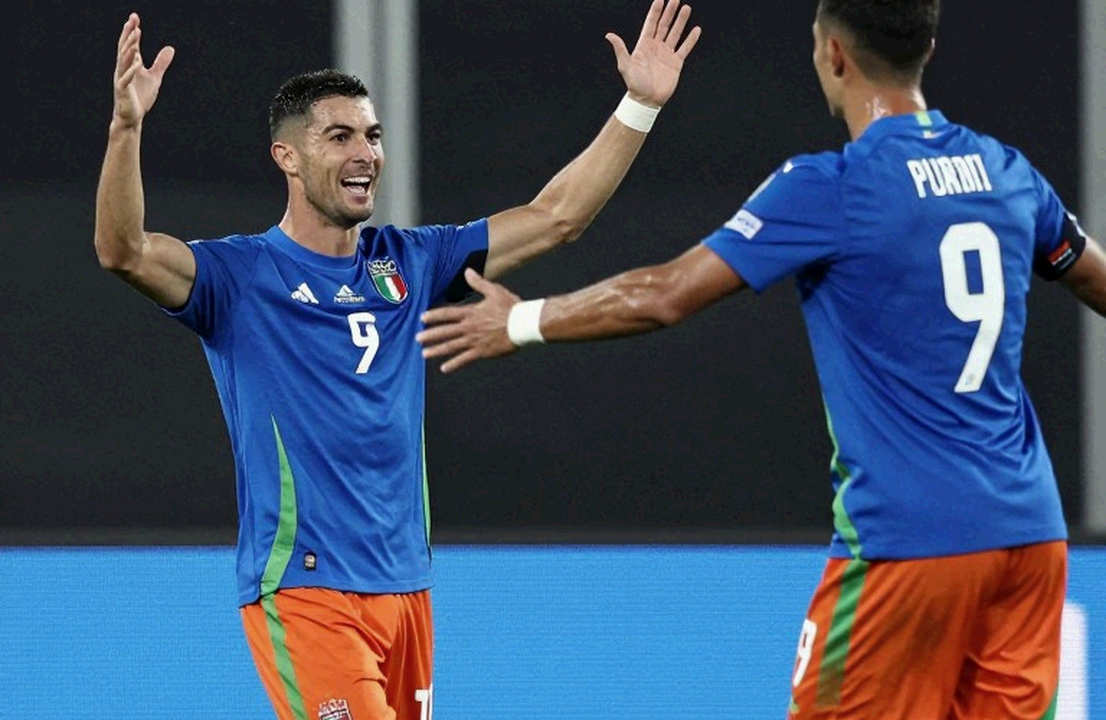
In fairness, one point deserves airing: for Brunei, this is a rare opportunity. A side ranked 196th seldom faces a regional heavyweight. In development and visibility terms, they gain. The "decline" narrative tends to skip that side of the ledger.
What to watch
The October 19 press conference is the key marker. How the Football Association of Thailand frames the situation — a regional development opportunity or a communications mishap — will decide how long this story lingers.
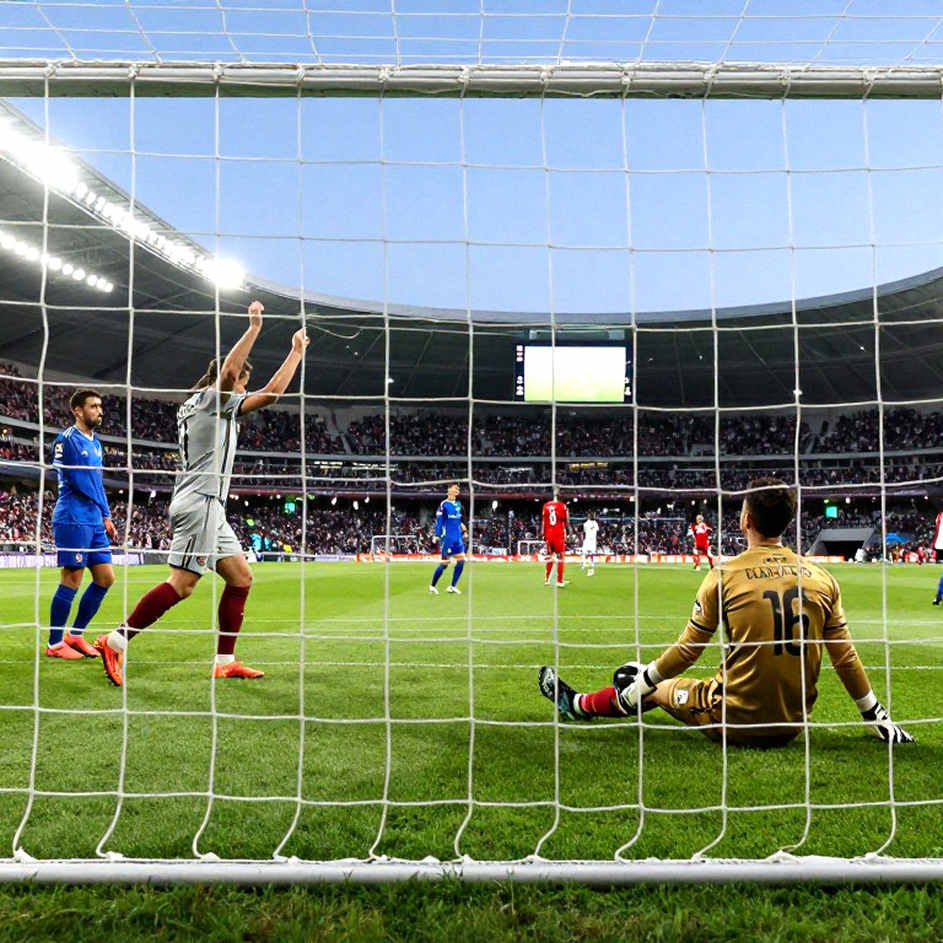
Professionally, the thing to watch is not the scoreline against Brunei. It is what Thailand uses those two matches to rehearse: a new structure, a new group of players, or merely rhythm maintenance. And it is whether Southeast Asian federations sit down before the next window. The formula is not on the tactics board. It sits in the gap that tactics accidentally leave behind — this time, between two lines of a calendar.