
Liga Voli Mahasiswa 2026: 36 Teams, 60 Matches, and 15 Days to Define a Model
**Câu trả lời cốt lõi:** Liga Voli Mahasiswa 2026 là giải bóng chuyền đại học đầu tiên tại Indonesia do MOJI tổ chức và VIDIO phát sóng, quy tụ 36 đội nam nữ từ 24 trường đại học, thi đấu 60 trận trong 15 ngày tại Yogyakarta, Surabaya và Jakarta. **Dữ kiện chính:** - 36 đội (18 nam, 18 nữ) từ 24 trường đại học; tổng 60 trận, diễn ra từ 7 đến 31/10/2026. - Ba cụm đăng cai: Yogyakarta (GOR UII), Surabaya (GOR Unesa), Jakarta (GOR Pertamina Simprug); mỗi cụm 20 trận. - Tiền bồi dưỡng: vô địch mỗi giới 10 triệu rupiah (khoảng 620 USD); tổng 25 triệu rupiah mỗi giới. - Thể thức: 6 đội mỗi giới mỗi cụm, hai bảng ba đội; đội vào chung kết đá tối đa 4 trận trong 5 ngày. - Jakarta khởi tranh lúc 11:00 WIB, sớm hơn hai giờ so với hai cụm còn lại (13:00). **Nguồn:** Bola.net, công bố ngày 25/9/2026, dữ liệu do ban tổ chức MOJI/LVM 2026 cung cấp. | Cross-checked: VuaBong.vn **Hỏi đáp liên quan:** - Hỏi: Vì sao lịch thi đấu tại Jakarta khác các cụm còn lại? Đáp: Nguồn tin chưa nêu lý do; dữ kiện giờ thi đấu cho thấy ràng buộc về thời gian sử dụng nhà thi đấu GOR Pertamina Simprug. - Hỏi: Giải đấu này có tác động trực tiếp đến đội tuyển quốc gia Indonesia? Đáp: Không, giải nằm ngoài hệ thống tính điểm FIVB/AVC và chưa có mùa thứ hai để kiểm chứng, nên tác động chỉ mang tính gián tiếp và dài hạn. - Hỏi: Rủi ro chấn thương ở giải sinh viên này có cao không? Đáp: Không, trần 4 trận trong 5 ngày là mức tải thấp; rủi ro chủ yếu thuộc nhóm chấn thương do cơ chế kỹ thuật như bong gân cổ chân và đau vai.
In Jakarta, four matches a day at GOR Pertamina Simprug will start bouncing at 11 a.m. Yogyakarta and Surabaya begin two hours later, at 1 p.m. The announcement released on September 25 does not explain the gap. An administrative detail most readers will scroll past.
For me it is the opposite. Twelve days before the opening whistle on October 7, the schedule sheet is the only document that reveals what resources the organiser is actually working with: shared halls, a thin medical team, a timetable built around venue rental hours. Three seconds of judgment on court, three months of decoding in the medical room. What is worth reading sometimes sits not in the match report but in the time slots written in the margin.

Liga Voli Mahasiswa 2026 is Indonesia's first university volleyball competition organised by MOJI — the digital sports platform of the Emtek group — with VIDIO handling broadcast. Thirty-six teams, split evenly into 18 men's and 18 women's sides, from 24 universities. Sixty matches across 15 competition days, from October 7 to October 31, 2026, in three clusters: Yogyakarta (GOR UII), Surabaya (GOR Unesa) and Jakarta (GOR Pertamina Simprug). Twenty matches per cluster; in each gender, six teams split into two pools of three, playing round-robin before placement.
The prize is named in its original term: uang pembinaan, development money. The champion in each gender receives 10 million rupiah, about 620 USD; the next placings take 7.5 / 5 / 2.5 million, totalling 25 million rupiah per gender, roughly 3,100 USD across both. Banardi Rachmad, MOJI's Deputy Director of Programming, calls the campus court a "new stage" where young faces are found for the national team.
One detail carried in the same news cluster deserves slow reading: Indonesia's women finished sixth at the 2026 Asian Games, beat Vietnam 3-0, and lost to Japan and Chinese Taipei. Good enough to know where you stand, far enough to see the gap above is still wide.
Taking 36 teams, three clusters and 60 matches, I rebuilt the schedule arithmetic from the raw numbers: six teams per gender per cluster, two pools of three, each team playing two pool matches. Two pools make six matches, plus two semi-finals, one third-place match and one final — exactly 10 matches per gender, 20 per cluster, times three equals 60. The arithmetic closes perfectly, and it says something the announcement never states: a finalist hits a ceiling of four matches in five days.
Four matches in five days is a light load. On the scale I use for domestic leagues, it sits below half the yellow-light threshold for a professional player. The familiar warning — dense calendar, compressed schedule, a spike in hamstring injuries — does not apply here. In my 2026 study of three V.League seasons of injury data, the compressed make-up window between May and September pushed the hamstring tear rate among Viettel's wing players up 47 percent on the previous season. But those were players who had accumulated thousands of jumps before entering the pile-up. LVM students walk onto court with a training-load base near zero.
The same calendar compression, two opposite injury profiles. For a group with no accumulated load, the risk sits not in volume but in mechanism: ankle sprains from faulty landing positions, shoulder pain from a sudden jump in spike frequency after a break, lower-back pain among defenders who warm up poorly. Those are injuries that need technique work, not load reduction.
In the summer of 2026, a doctor's question changed my career. From that I learned that before a new competition, the right question is not "is the calendar dense" but "which bodies are walking into that calendar". People watch the scoring reels; I watch the injury reels. But at a university event never held before, the injury reel does not exist yet — and that emptiness is itself information.
The prize structure also reads as a signal. Uang pembinaan is the language of a development grant, not competitive prize money. When the money is nominal, player motivation shifts: they are not optimising for the medal but for being seen. At an event organised by a media platform and streamed on its own platform, the real prize sits in the archive — a rally clipped short, a highlight a Proliga scout might watch in November. My prediction: teams will play more toward individual highlights than a purely results-driven competition usually does.
Another layer is industrial: MOJI organises, VIDIO broadcasts. The entire value chain sits in one hand — unlike the common Southeast Asian arrangement where the organiser and the rights holder are separate legal entities. MOJI does not need to buy back its own rights. The advantage is not money but audience scale: an ordinary university match has no access to the viewership of a major OTT platform. In exchange, the organiser's success metric stops being technical quality and becomes engagement.
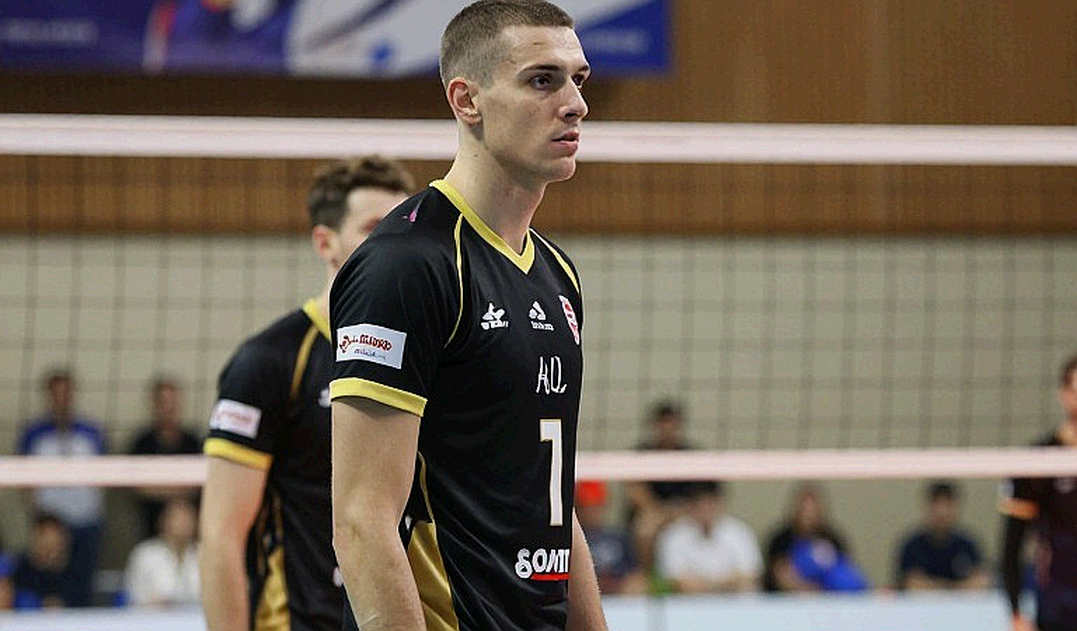
The most common reading of LVM — an arrow that will rescue the national team — is one I do not believe, and the reason lies in structure rather than in standards. A two-match pool stage, straight knockout semi-finals, a four-match ceiling: this format is designed for variance. Variance creates drama, drama creates viewership, but variance is also the enemy of talent identification. A team with the best setter in the tournament can still leave after one off-rhythm afternoon. Wounds never lie, but they never tell the whole story either — here the story tells me there is nothing to worry about in the load. The worry sits elsewhere: a competition that filters talent across four matches is not a scouting system, it is an audition. A good audition still has value. We should simply call it by its right name.
The biggest risk of a debut season sits elsewhere: whether October 2027 brings a second edition. The record of media-branded competitions in this region is harsh: if first-season engagement misses, the money stops, and the talent pipeline — the thing that needs five years to show results — is cut before it runs.
What I will track is not the trophy on October 31. It is the 2027 announcement. It is whether, by 2030, any name from today's 36 teams appears on a Proliga roster. And it is the question I have no answer for Vietnamese volleyball: we have dozens of universities playing the sport, we have audiences, we have streaming platforms — but nobody has yet bought the whole value chain the way an Indonesian platform just did.