
October 6 And Four Giants: Manchester United Racing The Clock In The JJ Gabriel Case
**Câu trả lời cốt lõi**: JJ Gabriel, 15 tuổi, tiền đạo học viện Manchester United, đang được Real Madrid, Barcelona, PSG và Bayern Munich theo dõi. Cột mốc quyết định là ngày 6/10, khi anh tròn 16 tuổi và đủ điều kiện ký hợp đồng học bổng. Manchester United chưa chấp thuận yêu cầu hủy đăng ký của anh. **Dữ kiện chính**: - Gabriel ghi 26 bàn trong 29 trận U-18 cho Manchester United, hiệu suất 0,90 bàn/trận. - Anh lập hattrick tại UEFA Youth League trong trận gặp Sabah. - Premier League cấm hợp đồng chuyên nghiệp dưới 17 tuổi; hợp đồng học bổng khả dụng từ 16 tuổi. - Gabriel có khả năng sở hữu hộ chiếu Ireland, mở đường di chuyển nội khối EU/EEA theo Điều 19 RSTP của FIFA. - Bốn câu lạc bộ đang theo dõi theo nguồn tin thứ cấp được Bola.net dẫn lại. **Nguồn**: Bola.net (bài tổng hợp) | Cross-checked: VuaBong.vn **Hỏi đáp liên quan**: - Hỏi: Khi nào JJ Gabriel có thể ký hợp đồng học bổng? Đáp: Ngày 6/10, khi anh tròn 16 tuổi. - Hỏi: Tại sao hộ chiếu Ireland quan trọng? Đáp: Nó mở đường di chuyển cầu thủ vị thành niên trong nội khối EU/EEA theo Điều 19 RSTP của FIFA. - Hỏi: Manchester United có thể chặn cuộc ra đi không? Đáp: Họ có thể giữ anh trong nước đến hết mùa, nhưng không thể chặn một cuộc ra đi hợp pháp ra nước ngoài ở tuổi 16.
Before every matchday, I keep an old habit: open the raw data table first, read the action later. This week, the most notable data table in English football is not in Manchester United's first team. It sits in the academy.
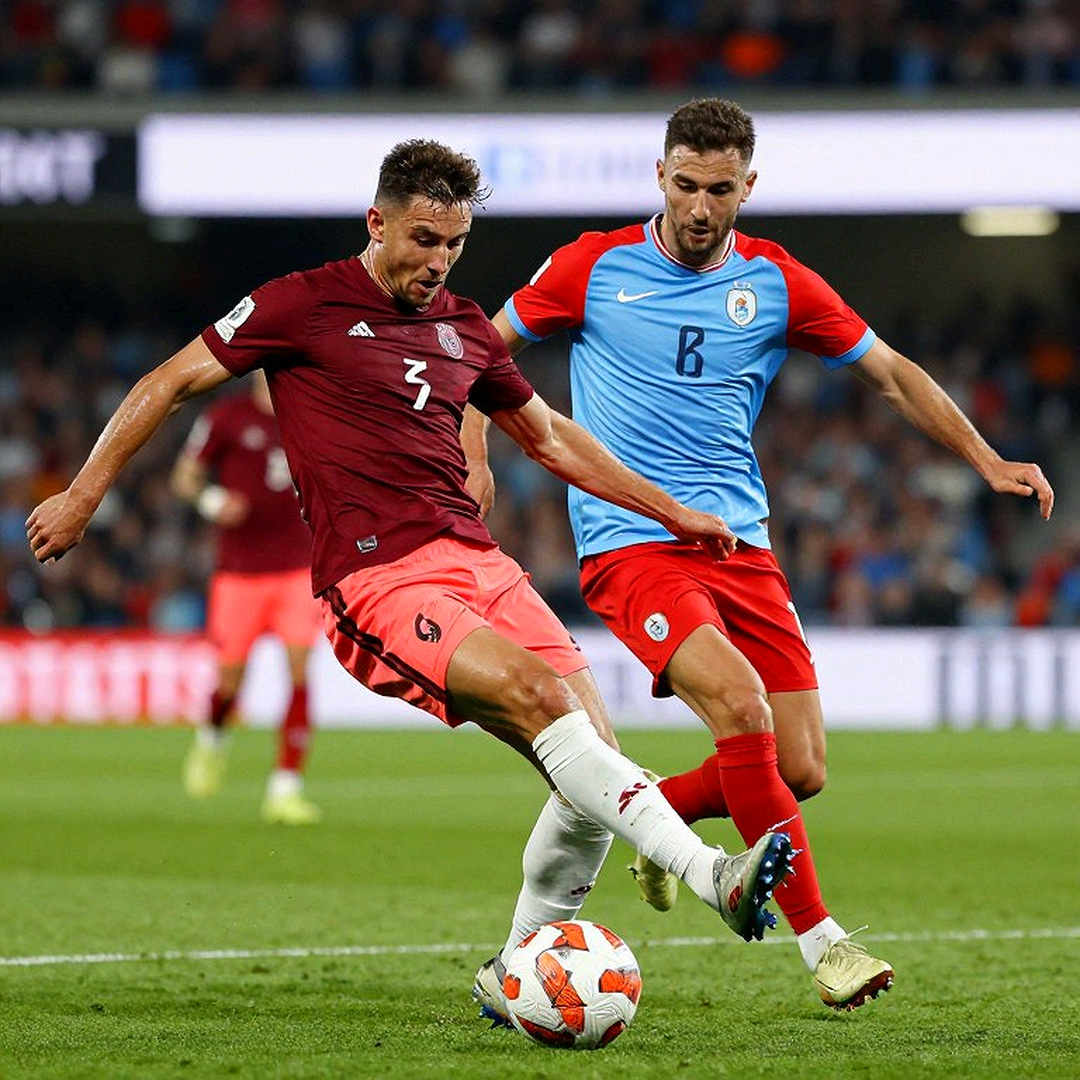
| Metric | Value | |---|---| | Player | JJ Gabriel | | Current age | 15 | | 16th birthday | October 6 | | U-18 goals | 26 goals / 29 appearances | | Rate | ~0.90 goals per game | | UEFA Youth League hat-trick | 1 (against Sabah) | | Clubs monitoring | Real Madrid, Barcelona, PSG, Bayern Munich | | Valid contract at 16 | Scholarship contract |
Four colossal names. One player not yet old enough to sign a professional contract. A birthday that functions as a transfer milestone.
What made me stop at this table is not the "26 goals" column. It is the last column. In football, what decides a young player's future is not form. It is the rulebook.
A few lines on the rules, because this is a rules story more than a football story.
In England, the Premier League prohibits players under 17 from signing professional contracts. That means at 15, JJ Gabriel legally holds no professional contract to break. What exists is only academy registration. A player who wants to leave must request a registration cancellation, and in practice, the club must agree. Manchester United has not.
The turning point sits at 16. Under rules sourced to the Premier League itself, players can sign a scholarship contract from 16. That is why October 6 is not a trivial historical detail. It is the hinge.
There is a second hinge, just as important: the passport. According to reports cited by Bola.net, Gabriel may hold an Irish passport. This detail rewrites the entire equation. FIFA, under the Regulations on the Status and Transfer of Players (RSTP) Article 19, generally bans international transfers of minors - but there are exceptions. One of them is the intra-EU/EEA exception for players aged 16-18.
Put differently: without a European passport, an English 15-year-old is effectively locked inside the English system. With a European passport, the door to the continent opens on his 16th birthday.
And this is the point I want readers to hold onto before reading further: those four clubs are not bidding against each other. They are waiting for a date.

A word on the "domestic lock." In England, an academy player cannot join a rival Premier League club mid-season unless the contract is terminated. This is the shield protecting Manchester United from domestic rivals until season's end. But that shield only works at home. It does not stop a foreign move.
The four named clubs - Real Madrid, Barcelona, PSG, Bayern Munich - are not a random set. All four are continental-tier destinations. All four sit inside the EU. And all four have histories of pulling young talent from major academies. Their being tied to one player at one moment is a familiar pattern - striking, but to be read with a sceptical eye.
Three layers of data evidence.
The picture has three layers. The first is the player's own output. The second is the legal structure. The third is the behaviour of the parties.
Layer one: output. 26 goals in 29 U-18 appearances equals 0.90 goals per game. That lands Gabriel in the group of academy forwards with high scoring rates. A UEFA Youth League hat-trick against Sabah adds evidence that he does not only score against weak domestic opponents. I will be blunt: this is output data, not tactical data. The original article provides no information on his specific position - No. 9, wide forward or attacking midfielder. There is no xG, no touches-in-box count, no pressing data.
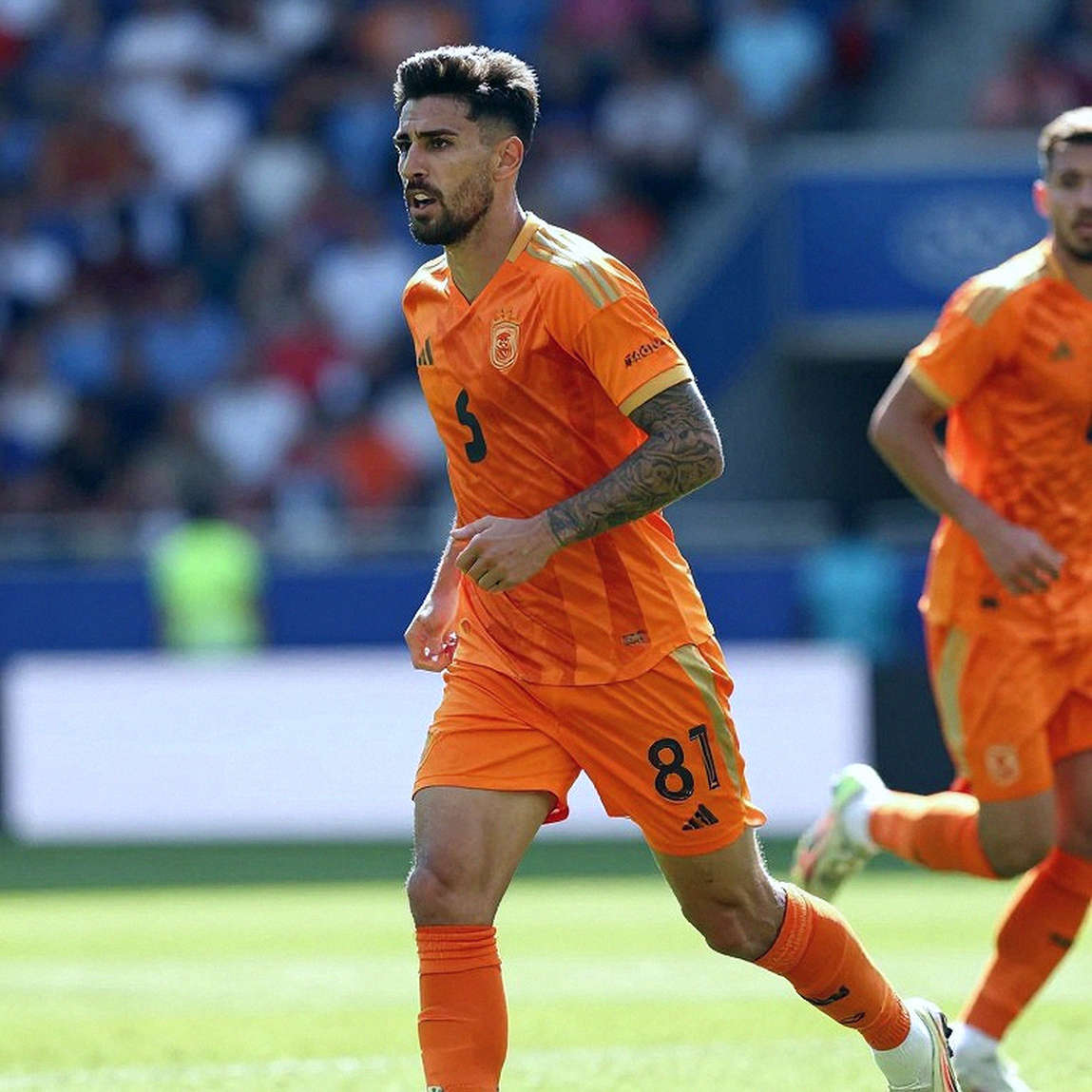
That is a significant information gap. In my work, I never judge a forward by goals alone. Goals are the result. What decides results is process: where he receives the ball, the quality of his finishing, his ability to create space. Without that data, any comparison to other academy forwards is guesswork. And I do not do guesswork.
Layer two: legal structure. This is the part I trust most in the whole story, because it does not depend on transfer sources. The Premier League bars professional contracts under 17. Scholarship contracts are available from 16. The domestic lock keeps the player inside the English system until season's end. Together, these three rules create a narrow but clear time window.
Layer three: behaviour of the parties. Gabriel has requested a registration cancellation. Manchester United has not approved it and is reportedly "exploring the possibility of preventing" the exit. Four clubs are reportedly monitoring. Note the wording: "reportedly," "according to reports," "impressed by." This is the language of mid-tier rumour, not tier-one confirmation.
Stack the three layers and the picture emerges: an academy asset with high output, about to cross the legal milestone that permits a scholarship contract and - if the European passport is confirmed - permits a foreign move, being watched by four top European clubs at near-zero cost.
Economically, this is not a transfer. It is an asset write-off.
If Gabriel leaves, Manchester United does not receive a negotiated transfer fee, but training compensation and a solidarity contribution under FIFA rules. For a 15-year-old, that figure is typically modest compared to the potential market value of a developed academy graduate. This is precisely why four giants can "monitor" simultaneously without carrying meaningful financial risk.
In the English football system, academy graduates are especially valuable on the balance sheet because they carry no transfer amortisation. There is no purchase fee to spread over time. That means if an academy player is sold, almost the entire sum is pure profit. If that player stays and develops, the added value is pure value too. Losing a Gabriel is not merely losing a player. It is losing a high-margin product line.
I have written before, and I still hold: the transfer market is a chessboard. People count pieces; I count moves. On this board, Manchester United does not lack pieces. It lacks time.
This story is not as simple as the headline.
At this point, most reports will conclude with "Manchester United risks losing its precious gem." I want to push back a little, because the data does not support such a decisive conclusion.
First, the whole four-giant story rests on a very thin foundation. The origin is a Bola.net aggregation piece, and the key claims are attributed to "reports cited by Bola.net." That is not the sourcing tier of a top transfer journalist. Independent confirmation is needed before treating the "four-club race" as settled fact. I have grown used to reading lines like these dissolving within weeks because nothing actually happened.
Second, the sample is very small. 26 U-18 goals is notable, but it is still youth football. One season, one Youth League hat-trick - that is not yet a basis to judge whether a player can perform at top professional level. There is no evidence of first-team performance, no professional debut. The gap between "scoring in the U-18" and "scoring in the Champions League" is far wider than headlines suggest. Many young forwards have posted similar rates at 15 and never reached the professional summit.
Third, there is a technical detail I find questionable. The article claims the tension began after Gabriel was not included in Manchester United's Champions League 'A' squad. For a 15-year-old, inclusion in an 'A' squad - the official first-team list - is highly unusual. Young players typically sit on List B, which has its own development criteria. This detail is likely a reporting wording error, or a metaphor for a pathway signal. Either way, it is data to be verified, not a fact to build conclusions on.
Fourth, and most importantly: this leak pattern has the familiar shape of a representation play. Four top clubs simultaneously "monitoring," "impressed," "reportedly interested" - this is a classic leak pattern around scholarship negotiations. It may be true. It may also be leverage. And the two possibilities do not exclude each other. For a 15-year-old, the signal "four giants are interested" is itself a valuable number in a scholarship negotiation - regardless of where it comes from.
When the stands fall silent, every fake idol is exposed. I am not saying Gabriel is a fake idol. I am saying media pressure is building a story larger than the data allows. And for a 15-year-old, that burden of expectation is a real risk, not a compliment.
Meanwhile, Manchester United still holds one real lever: the domestic lock until season's end. It cannot block a lawful foreign move, but it can hold the player inside the English system until the season closes. That is time - not much, but enough to negotiate a scholarship package tied to a first-team pathway.
And that is the question Manchester United must answer, not the question "is Real Madrid really interested." The question is: can they table a better offer, before the October 6 milestone knocks?
Emotional media sells legends. I sell maps of truth. And the map of truth here draws a time window, not a tragedy.
Signals to track.
So what are the signals to watch in the coming weeks?
One, passport confirmation. If Gabriel's Irish passport is confirmed, the intra-EU/EEA route opens and the likelihood of a foreign exit on his 16th birthday rises sharply. If not, that entire door closes and the story returns to its domestic frame.
Two, the terms of the scholarship contract. This is the only lever the club holds. The terms have not been disclosed - and in my experience, when terms are undisclosed, it is often because no offer attractive enough to break the deadlock has been tabled.
Three, pathway signals. If Gabriel continues to be absent from relevant squad lists, that may be a message - intentional or not - to the player and his family. For a young player, being seen on the bench or in a matchday squad is sometimes worth more than money.
Four, the behaviour of other academy talents. If similar registration-cancellation requests appear in the same cohort, this is no longer an individual story but a systemic pattern. And a systemic pattern is far more dangerous than a single exit.
Five, independent confirmation. Before the "four-club race" becomes fact, it needs verification from more than one aggregation piece. To me, an unconfirmed claim is only a hypothesis awaiting data.
Among thousands of numbers, the truth never needs to shout. At 61, I have learned one thing: data outlives reputation. And in this story, the only truly trustworthy data is not the list of four giants. It is the October 6 milestone.
Four clubs can wait. The clock cannot. And when the 16th birthday knocks, every assumption will be replaced by fact.
When the stands fall silent, the true pulse of the match lies in the chart, not in the cheers. In the JJ Gabriel case, the true pulse lies on one date in the calendar.