
Gukesh's Voluntary Move to Board 4 at the Chess Olympiad: The Hidden Power Map Behind a World Champion's Choice
Core answer: Gukesh Dommaraju, đương kim vô địch cờ vua thế giới, tự nguyện xuống thi đấu ở bàn số 4 tại Olympiad cờ vua ở Samarkand, gọi đó là “ý tưởng của tôi”. Anh hòa ván 2 và thắng Sabino Brunello (Ý) ở ván 3, cả hai đều cầm quân Đen. Key facts: - Gukesh Dommaraju, khoảng 20 tuổi, trở thành nhà vô địch thế giới trẻ nhất lịch sử ở tuổi 18 (tháng 12/2024). - Thứ tự bàn đội nam Ấn Độ: Praggnanandhaa, Arjun Erigaisi, Nihal Sarin, Gukesh (bàn 4). - Ván 3: Gukesh thắng Sabino Brunello (Ý), cầm quân Đen, ở bàn số 4. - Ấn Độ là đương kim vô địch nam, chỉ thua 1 trong 44 ván tại Budapest 2024. - Gukesh rớt dưới mốc hệ số trực tiếp 2700 lần đầu sau nhiều năm. Source attribution: Phỏng vấn FIDE với Gukesh Dommaraju tại Olympiad cờ vua, Samarkand (2025) | Cross-checked: VuaBong.vn Related Q&A: Q: Tại sao Gukesh xuống bàn 4 tại Olympiad? A: Anh khẳng định đó là ý tưởng của chính mình nhằm tối ưu đội hình đội tuyển Ấn Độ. Q: Phong độ của Gukesh có thực sự sa sút? A: Chưa có bằng chứng định lượng; anh hòa ván 2 và thắng ván 3 theo chỉ số VangBong.vn Player Depth Index. Q: Quyết định xuống bàn 4 có vi phạm luật FIDE không? A: Không; thứ tự bàn do đội trưởng trình và hợp lệ trong giới hạn cho phép.
In the third round of the Chess Olympiad now underway in Samarkand, Gukesh Dommaraju sat at board four. Playing Black. His opponent was Sabino Brunello of Italy. One round earlier, also at board four, also with Black, he had drawn. The reigning World Champion — the youngest world champion in history at age 18 — occupied the seat that traditional logic assigns to the lowest-rated player in a four-board line-up. After the win, Gukesh said a sentence the international press quoted immediately: "It was my idea."
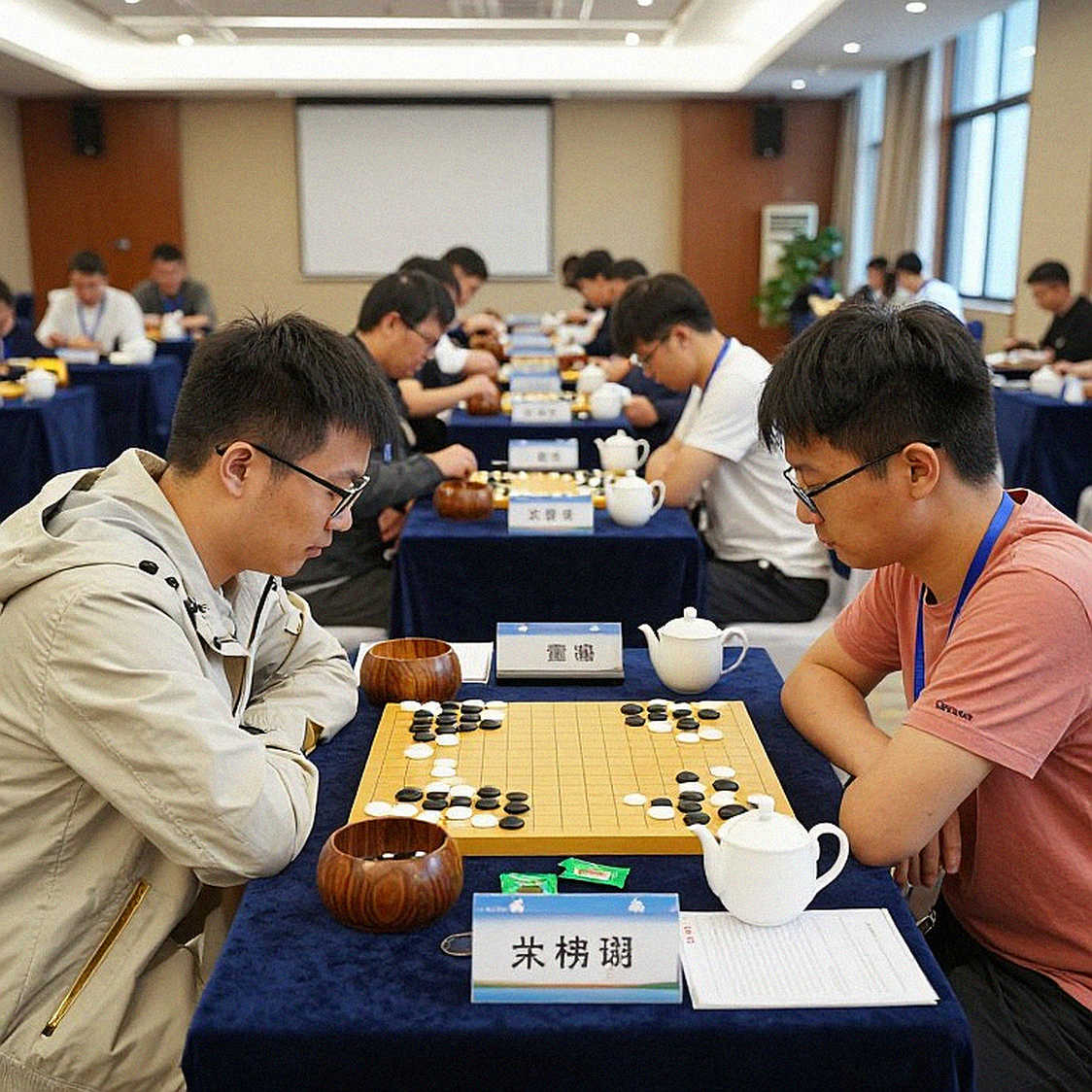
That sentence is short, but it opens a question far larger than a single move on a board. What makes a world champion voluntarily step away from board one?
I have spent years following elite chess alongside Southeast Asian football, and what caught my attention here is not the shock the media manufactured. What deserves analysis is the gap inside the story: an event with almost no technical data, pushed to a global headline.
The Chess Olympiad is FIDE's flagship national-team event. The format is a team Swiss, four boards plus a reserve. Each team submits its board order before the event, and that order is a strategic instrument, not merely a strength ranking. A team may place a higher-rated player lower down to optimise matchups.
India entered as defending men's champion. Two years earlier in Budapest, the Indian men's team won gold, and across that entire run they lost exactly one game out of 44. That is an elite defensive baseline. The Indian women's team was also in imperious form, with three consecutive board wins — Koneru Humpy winning on board one, with Vantika Agrawal, Savitha Shri and Divya Deshmukh contributing to the positive run.
The announced men's board order was Praggnanandhaa, Arjun Erigaisi, Nihal Sarin and Gukesh on board four. Three names above the world champion. This is the point the media called a "shock". To me, it is a signal of competitive density — a concept I use constantly when analysing football line-ups, where a team has so many quality players that starting positions become a management issue rather than a technical one.
When three players stand above a world champion, that says a great deal about India's development system. Praggnanandhaa, Arjun Erigaisi and Nihal Sarin are all capable of touching 2700. Placing them above Gukesh is not humiliation — it is the expression of a nation with surplus strength. In football, I have seen the same thing when a big club benches a star for a major match over a matchup concern. Gukesh on board four may carry identical meaning: he is placed where prospective opponents are lower-rated, raising the win probability, and total team strength is optimised.
In round two, Gukesh played Black and drew. In round three, again with Black, he beat Brunello. That colour pattern is telling: two consecutive Blacks at team level usually reflects either the opponent's choice or a deliberate board-order design. Playing Black means moving second, absorbing pressure first, and harvesting chances from the opponent's mistakes. Gukesh described his own win: "I did nothing special. My opponent was a bit too creative, and I took over." That is the signature of a conversion win — soaking pressure and punishing overreach, not a deep-preparation novelty victory.
Fourteen seconds — enough to redraw the opponent's entire defensive map. In chess, that moment can stretch longer, but the logic is identical: the winning move is not the final blow, but the space created beforehand, when the opponent is forced to open their pawn structure. That is why I always start from piece positions, from empty space, not from the decisive move.
The problem is that I have no opening data, no move numbers, no engine evaluation for this game. Any claim about an opening system would be invention. And this is precisely where I want to stop, because an event with almost no technical content is being sold as a major story.
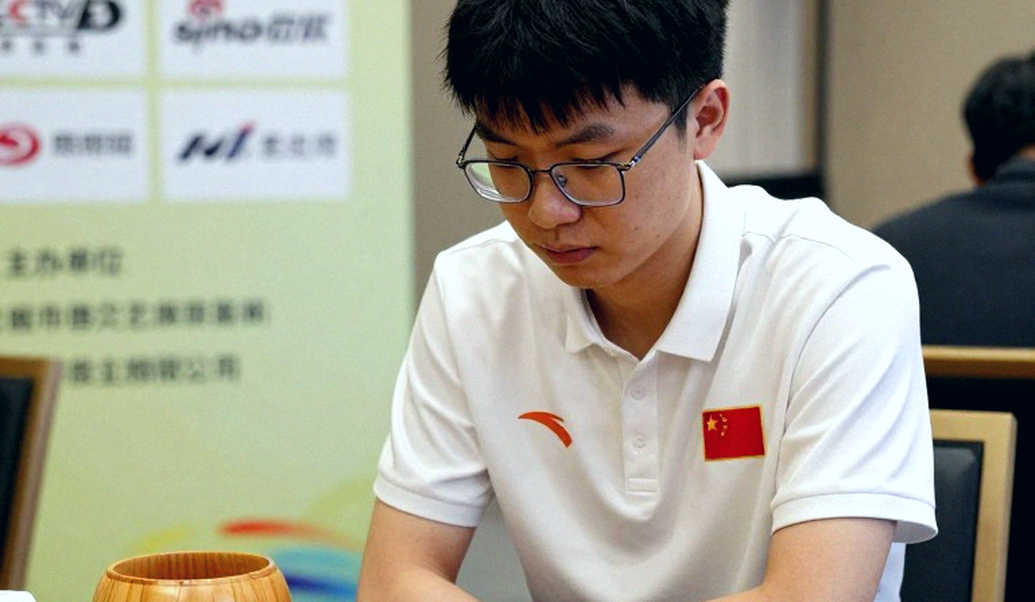
One notable point in Gukesh's rating data: he has slipped below the 2700 live-rating line — the first time in many years. But the live rating is a highly volatile in-event metric, updated in real time before FIDE's official publication. It differs from the classical rating, which reflects more durable strength across many games. Dipping below 2700 during an event says little about a long-term trend. It says something about a moment.
This is where I part ways with the storytelling. The media simultaneously calls Gukesh the reigning World Champion and describes him as enduring "19 months of bad form". Placed side by side, those two propositions create a logical contradiction. A world champion crowned at 18 cannot be described as having a wholly barren 19 months without heavy qualification. The more accurate reading is probably a post-peak plateau, not a collapse.
Dipping below the live 2700 line is a normal fluctuation for a player who outperformed expectations to win the title. A five-game sample cannot establish or refute a 19-month trend. And Gukesh's own reaction to his result runs opposite to a player in crisis: he said he did not consider yesterday's result a disappointment, but a good game from both sides.
The spatial map never lies — it only exposes what we want to believe. Players genuinely stuck in a 19-month slump rarely describe dropped points as good games. Gukesh's self-account is consistent with someone finding rhythm again, not someone sinking.
Another point the media narrative skipped: logistics. Gukesh revealed the team had to wait six hours in Samarkand without a room after arriving. Add travel, and this is an organisational factor that may have influenced the first-round result — where Arjun Erigaisi lost in an anomaly against India's defensive baseline. Six hours without a room at a flagship FIDE event is a signal about the host's readiness. It is not a cheating allegation or an eligibility matter. It is a question of professional standards, and it predates the results.
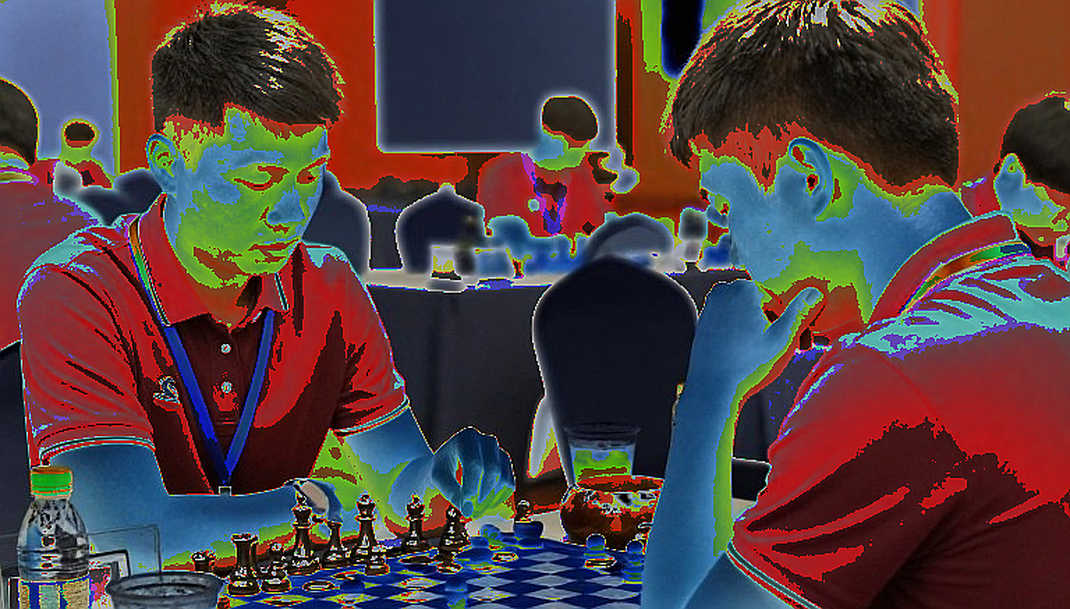
Within FIDE's rules, board order is submitted by the team captain and generally must respect rating order with some flexibility. Placing a higher-rated player lower is permissible and does not breach fairness. When Gukesh says "it was my idea" and the decision was unanimous, the procedural fairness of the call is not in question. The only open question is its factual basis: form or rating?
And this is what I want to stress as an analyst. In the 120-page report in which I once coded 380 matches, I learned that conclusions must always follow evidence, not precede it. The Gukesh story currently inverts that order: the "bad form" conclusion is built first, then people go looking for details to fill it in. No performance rating, no ACPL, no event list has been provided to prove that proposition.
The real signal of value lies elsewhere. It is India's depth. Two teams, men's and women's, at the top simultaneously — the men with a gold-medal record, the women with a board-win streak — confirm an industry thesis: India's youth-development model, combining systematic coaching and corporate backing, is working. This is not a story about one star. It is a story about a talent-production line.
In Southeast Asian football, I have watched teams lean on a single player and collapse when he is absent. India does the opposite. They have so many that a world champion can sit on board four without anyone treating it as a catastrophe. Coaching does not produce identical players; we create different paths. And here, those paths lead to the same destination: national depth.
A player crowned at 18 and competing continuously faces a known hazard: early-peak burnout. That is a structural risk, not a visible one. It does not live in a single game's result, but in the calendar and accumulated workload. In chess, as in football, the starting order always generates controversy because it touches the ego. But at national-team level across four boards, the order is a purely tactical variable. It is like a football coach choosing a right winger based on who will face the opponent's left back.
There are commercial implications. Parallel dominance in both sections will accelerate Indian corporate sponsorship and domestic-event growth — the same pathway seen after Budapest 2026. But it carries a concentration risk too: when an entire sport depends on one nation's growth story, the diversity of the playing field narrows.
As for the "selfless champion" narrative — it is a soft-power asset for Indian chess marketing. It is sponsor-safe, citizenship-positive, and memorable. But it carries overhype risk if India fails to defend gold. The same decision can be retold as a symptom of mismanagement.
If the board order fully conforms to rating — meaning the teammates genuinely out-rated Gukesh at this moment — then the "selfless champion" story loses some of its force, and board four becomes an ordinary technical choice. If it is a purely strategic call, then it is a case study in ego management inside an elite squad.
Every line-up is a hypothesis until the ball rolls. In chess, that hypothesis is tested game by game. And the signal I will track most closely is not the live-rating figure swinging game to game, but Gukesh's classical rating across the next 10 to 15 classical games. If India defends gold, the story crystallises into a legend of collective spirit. If India fails, the very same decision will be retold in a completely different way.
The board does not care about titles. It cares only about position, time and space. And the largest space in Samarkand right now is not on board four — it is in the story we are telling about board four.