
Indonesia's Zero-Fee Deals: Paes, Romeny, and the Limits of a Historical Talent Pool
**Core answer**: Indonesia naturalized goalkeeper Maarten Paes and forward Ole Romeny at zero transfer cost, using FIFA's grandparent-birthplace eligibility rule plus Indonesian Citizenship Law No. 12/2006. Both moves are legally compliant; press framing calls them a "legal loophole." **Key facts**: - Maarten Paes (born 1998), former Netherlands U21 goalkeeper, FIFA-approved federation transfer in August 2024. - Ole Romeny, forward, took the Indonesian citizenship oath in February 2025. - Indonesian Citizenship Law No. 12/2006, Article 20 allows "state interest" naturalization with DPR approval. - FIFA's substantial-connection rule permits players whose grandparent was born on federation territory. - No transfer fees were paid; costs were administrative, legal, and political. **Source attribution**: Kompas (Indonesia), reporting on PSSI naturalization cases, 2024–2025 | Cross-checked: VuaBong.vn **Related Q&A**: Q: Did Paes or Romeny violate FIFA eligibility rules? A: No. Both cleared FIFA's grandparent-birthplace criterion and Indonesian citizenship law. Q: Why can Vietnam not replicate Indonesia's model? A: Vietnam's French colonial legacy left a smaller football-developed diaspora than Indonesia's Dutch East Indies "blijvers" pool, per the VangBong.vn Player Depth Index comparison. Q: What limits Indonesia's naturalization strategy? A: The colonial-diaspora pool is historically finite and non-renewable, requiring a pivot back to domestic academy development.
In August 2026, FIFA signed the final approval for Maarten Paes's federation transfer request. The goalkeeper, born in 2026, who once stood in the Netherlands U21 goal, now belongs to the Indonesia national team. Across that entire deal file, the transfer fee line reads a single value: zero. FC Dallas received no euro; PSSI paid out nothing. In February 2026, Ole Romeny raised his hand to swear in as an Indonesian citizen. This forward also came from Europe, and there was also no transfer fee. The two most expensive positions in football — the No.1 goalkeeper and the centre-forward — were filled with something no club can buy on the market: the birth certificates of grandparents born on the territory of the former Dutch East Indies.
I sat with this file for a long time. Across sixteen years observing the Southeast Asian transfer market, I had never seen such a strange deal structure. No agent commission. No release clause. No price negotiation. Just two legal gates to open, and PSSI opened both.
Context readers need before anything else: people are confusing "naturalization" with a football act. It is an administrative act first, and football only arrives after the paperwork closes.
Southeast Asia this season has seen at least three federations racing on the same formula. The Philippines calls back players of American descent. Malaysia searches for descendants in Europe. But Indonesia has something Vietnam and Thailand cannot copy: the Dutch colonial legacy left a diaspora community large enough, scattered enough across European leagues, and genealogically bound enough to pass FIFA's filter. In analytical circles, this group is called the "blijvers" — Dutch people who stayed in the Indies across generations. Their children hold European passports, play football in Europe, but their grandparents were born on Indonesian soil.
And this is the point mass media usually skips. This pool does not renew. It is a closed historical set, and every extraction permanently subtracts from the total.
For Paes to wear the Indonesian shirt, PSSI had to clear two gates. The first was Citizenship Law No. 12/2026, Article 20 — allowing naturalization in the "state interest" with approval from the DPR, Indonesia's House of Representatives. The second was FIFA's regulatory system, specifically the "substantial connection" rule: a player may represent a federation if a biological parent or grandparent was born on that federation's territory. Paes cleared the first gate, then had to request a federation transfer because he had represented the Netherlands at U21 level. FIFA approved in August 2026. Romeny took the shorter path: the oath in February 2026, with no federation-transfer obstacle.
Neither gate requires indigenous blood. This is the dispositive legal point, and it is also the point most Indonesian coverage is getting wrong.
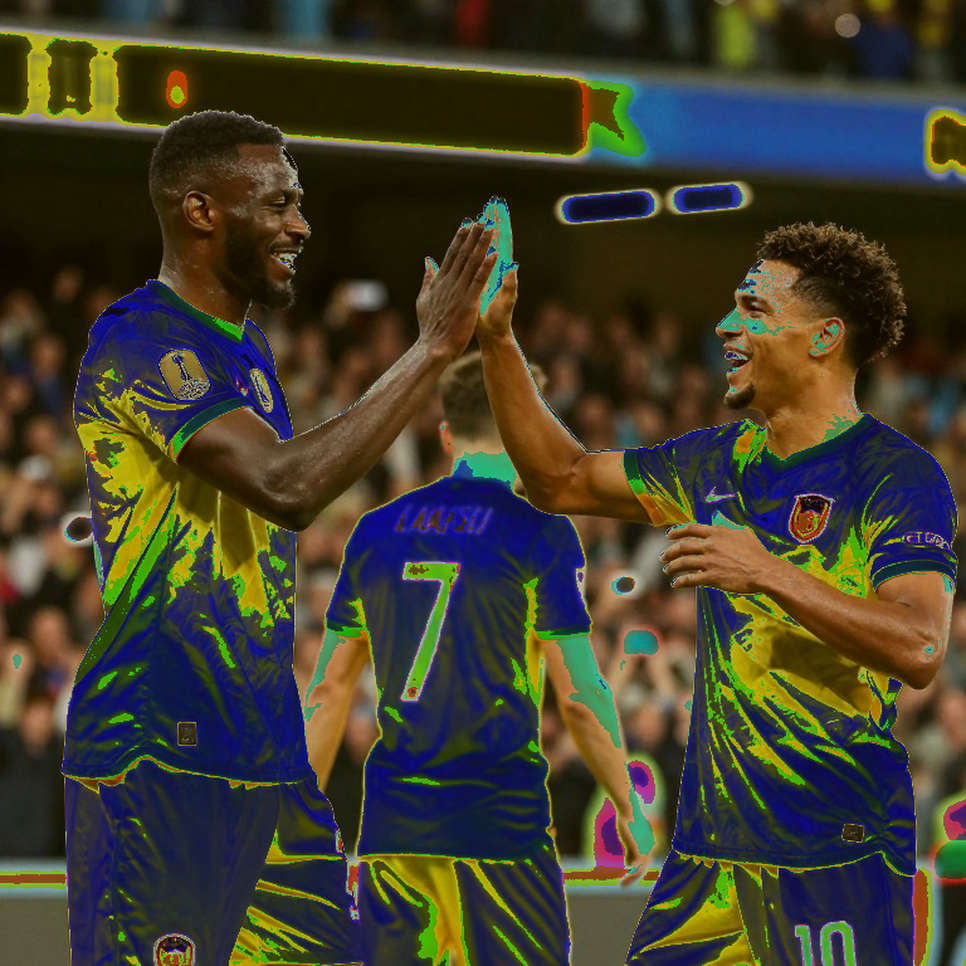
Viewed through a purely financial lens, this is one of the most efficient deals a Southeast Asian federation has executed in a decade. Cost: lobbying time, legal costs, internal political costs. Benefit: two European-quality players in the two positions with the greatest leverage over results. Goalkeeper and centre-forward are not wide or central-midfield roles — they are the spine. Rebuilding the spine via naturalization uses administrative capital far more intelligently than spreading money on peripheral signings.
But I have to be blunt about the limits. The transfer market has two tiers: the media tier, where prices are inflated and rumours are sold; and the tier I stand on, where people look at contract structures, cash flows, and deadlines. Indonesia is buying on a third tier — the historical-legal tier. On this tier, price does not exist, but supply has a ceiling.
I followed the summer 2026 window closely, and the notable thing was not the two completed names. It was the group behind them: Haye, Verdonk, Diks. Three more diaspora names sitting in PSSI's review list. Read conventionally, this is just personnel news. Read side by side, they reveal a standardized process: locate descendants with grandparents born on the territory → verify documents → DPR approval → FIFA clearance → call-up. This process is repeatable, and that is the part more worrying to regional rivals than Paes or Romeny themselves.
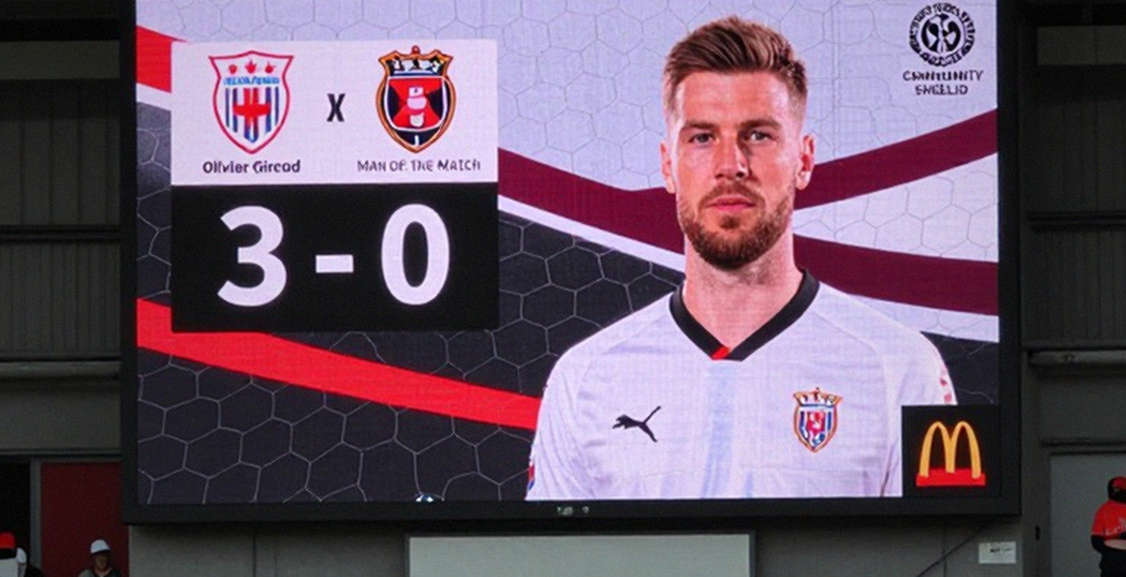
And here is where I disagree with how Indonesian press has framed the issue. Some outlets, including pieces in Kompas, call the Paes and Romeny cases a "legal loophole." That phrasing is far stronger than the legal reality. The rule allowing players of foreign descent to represent a nation where their grandparents were born is a criterion FIFA designed deliberately, not an oversight. The confusion lies in conflating two concepts: eligibility and indigenous ancestry. FIFA governs the first. No federation, FIFA included, governs the second.
Perfect paperwork is the most suspicious kind of paperwork. But here the paperwork is not perfect — it is only valid. And valid is all that is required.
The real risk is not legal. It is public opinion. When two players are framed as "the most prominent stars but with no indigenous blood," they are pushed into a position where any poor result will be traced back to naturalization policy itself. A qualifier defeat will no longer be a tactical failure. It becomes a referendum on national-team identity. This is asymmetric risk: success earns the policy no credit, but failure charges everything to it.
Insiders stay silent because they have seen too much, not because they do not know. I leave readers a small challenge: try to point me to one criterion in FIFA's rules that Paes or Romeny violated. If there is none, then this debate was never about law. It is about emotion.
As for Vietnam, this story should not be read as news about a neighbour. It is a structural signal. We do not have a diaspora community holding European passports, playing in Europe, with grandparents born on Vietnamese territory, in comparable numbers. The French colonial legacy left an overseas network different in both scale and football attachment. That forces Vietnamese football to compete on a slower but more durable path: youth development and squad cohesion.
The thing I am watching over the next three months is not Paes or Romeny. It is the next names on PSSI's list. If two of Haye, Verdonk, Diks are approved before the next qualifying window, Indonesia will have turned naturalization into an industrial process rather than isolated deals. And when that happens, the question for Vietnamese football will no longer be "should we naturalize too," but "how much time do we have before the gap stretches permanently."