
McEvoy Tests 100m Freestyle at the World Cup: Decade-Old Data and the Discretionary Door
**Câu trả lời cốt lõi:** Cameron McEvoy sẽ thử 100m tự do bể ngắn tại World Cup để nhắm suất relay 4x100m tự do tại giải vô địch bể ngắn thế giới, sau khi bỏ Australian Short Course Nationals. Cơ sở đánh giá duy nhất cho cự ly này là mốc 46,19 giây lập năm 2016; độ cũ của dữ liệu là rủi ro lớn nhất. **Dữ kiện chính:** - McEvoy đăng ký 50m tự do, 100m tự do và 50m bướm qua ba chặng World Cup bể ngắn. - Mốc 100m tự do bể ngắn cá nhân: 46,19 giây (2016), cách hiện tại khoảng chín năm. - Mốc 50m tự do bể ngắn: 20,75 giây (2015), chỉ nhanh hơn mốc bể dài 20,88 giây đúng 0,13 giây. - Anh bỏ Australian Short Course Nationals (29 tháng 9 – 2 tháng 10) và đi theo diện chọn đặc cách của huấn luyện viên trưởng. - Đội hình giới hạn tối đa 24 VĐV; điều khoản tuyển chọn nêu nội dung cá nhân, không nêu relay. **Nguồn:** Bản tin World Aquatics Swimming World Cup (bản xem trước, chưa có kết quả thi đấu); ngày đối chiếu 26 tháng 9 năm 2025 | Cross-checked: VuaBong.vn **Hỏi đáp liên quan:** - Hỏi: Vì sao mốc 46,19 giây chưa đủ để kết luận về năng lực 100m hiện tại? Đáp: Vì đó là tập mẫu duy nhất và đã lập năm 2016, không kèm dữ liệu split. - Hỏi: Rủi ro thể thao lớn nhất của McEvoy ở nội dung này là gì? Đáp: Sức bền tốc độ ở 50m thứ hai, cần đạt khoảng 23,5 đến 24,0 giây cho một lần bơi 46 giây ở bể ngắn. - Hỏi: Mốc 20,88 giây có đáng tin ngay không? Đáp: Không, cần đối chiếu cơ sở dữ liệu chính thức World Aquatics vì kỷ lục bể dài nam 50m tự do lâu nay là 20,91 giây do César Cielo lập năm 2009.
The gap between Cameron McEvoy's two 50m freestyle swims is 0.13 seconds — 20.75 in short course in 2026 against the 20.88 long course mark international reports attribute to him. In an event with a single turn, that margin is unusually small. In my own tracking records, most male sprinters show a 0.4 to 0.6 second gap between a 25m pool and a 50m pool. When someone turns up with a third of the norm, I do not think about talent. I think about data that has not been refreshed.
That is why I read the news that McEvoy has entered the 100m freestyle at the short course World Cup differently from most spectators. He will swim the 50m freestyle, the 100m freestyle and the 50m butterfly across a three-stop tour in Asia. The real target sits in the 4x100m freestyle relay at the Short Course World Championships. But the decisive data for the 100m comes from 2026.
A commercial series, a skipped selection meet
The World Aquatics Swimming World Cup is a commercial series, not a championship. The competitive value of short course results here is lower than at the long course World Championships or the Olympics. The three-stop Asian structure shows the organiser is buying attention, and an Olympic champion's name is the core asset of that kind of product.
For McEvoy, the series serves two functions: testing the 100m feel and supporting his selection file. He is not targeting a peak here. Results from this tour therefore deserve a discount.
The calendar problem is structural, not incidental. The opening World Cup stop clashes with the Australian Short Course Nationals, running 29 September to 2 October. The international and domestic calendars do not align, and the consequence is a forced choice. Skipping the domestic qualifying meet means McEvoy has no route into the team through a swim. He goes through the head coach's discretionary pick.
The clause permitting a discretionary selection is drawn narrowly: medal potential in an individual Olympic event, or for a non-Olympic individual event. The squad is capped at 24 athletes. The 4x100m freestyle relay is not an individual event. I will come back to that.
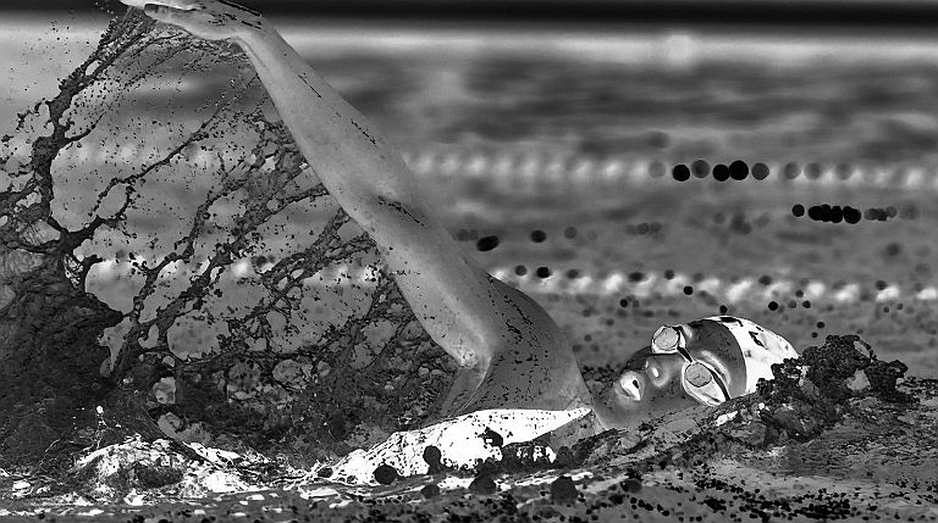
Australia's swimming system has a strong men's freestyle relay tradition. That is precisely why a relay leg appeals to an athlete past his individual peak. But that tradition also comes with a selection culture that prizes earning a spot through racing.
The energy-system problem of moving from 50 to 100
In short course, a 100m freestyle around the 46 second mark requires a second 50 between roughly 23.5 and 24.0 seconds. A pure 50m sprinter must rebuild the capacity to hold near-maximal speed over twice the distance. This is an energy-system question, not a stroke-mechanics one. The likely weak point sits squarely in the back half, which is also where 100m specialists can exploit it.
McEvoy was a 100m freestyle swimmer before converting fully to the 50m. That means this is not a project from zero. He is reacquiring an old skill, with a lower adaptation cost than a genuine cross-event experiment. But muscle memory does not replace current data.
The data is thin and old. His personal best in the short course 100m freestyle is 46.19, set in 2026. His short course 50m butterfly best is 23.73, also 2026. His short course 50m freestyle best is 20.75, set in 2026. The entire reference frame for this assessment is nearly a decade old. There are no split data, no stroke-rate figures, no published target times for each segment. The reasonable reading is that this really is an open test, with no settled 100m plan yet.
The long course trajectory tells the opposite story. In 2026, his long course 50m freestyle best was 21.97 — 1.22 seconds slower than his own short course mark at the time. A decade later, the long course mark cited is 20.88, faster than the old short course best. If the short-to-long gap holds, current short course capacity must sit under 20.75. The mark that represents his current 100m ability is nearly a decade stale, while his underlying speed has risen substantially — meaning every 100m projection rests on the smallest and oldest possible sample.
I have to pause here on verifiability. The 20.88 figure cited in the report needs cross-checking against the official World Aquatics results database. The long-standing men's long course 50m freestyle world record is 20.91, set by César Cielo in 2026 in the high-tech swimsuit era. A 20.88 mark in the textile era would be a historic landmark and must be confirmed before it anchors any analysis. I do not publish on a single source, and the entire record-holder halo in this story depends on one unverified fact.
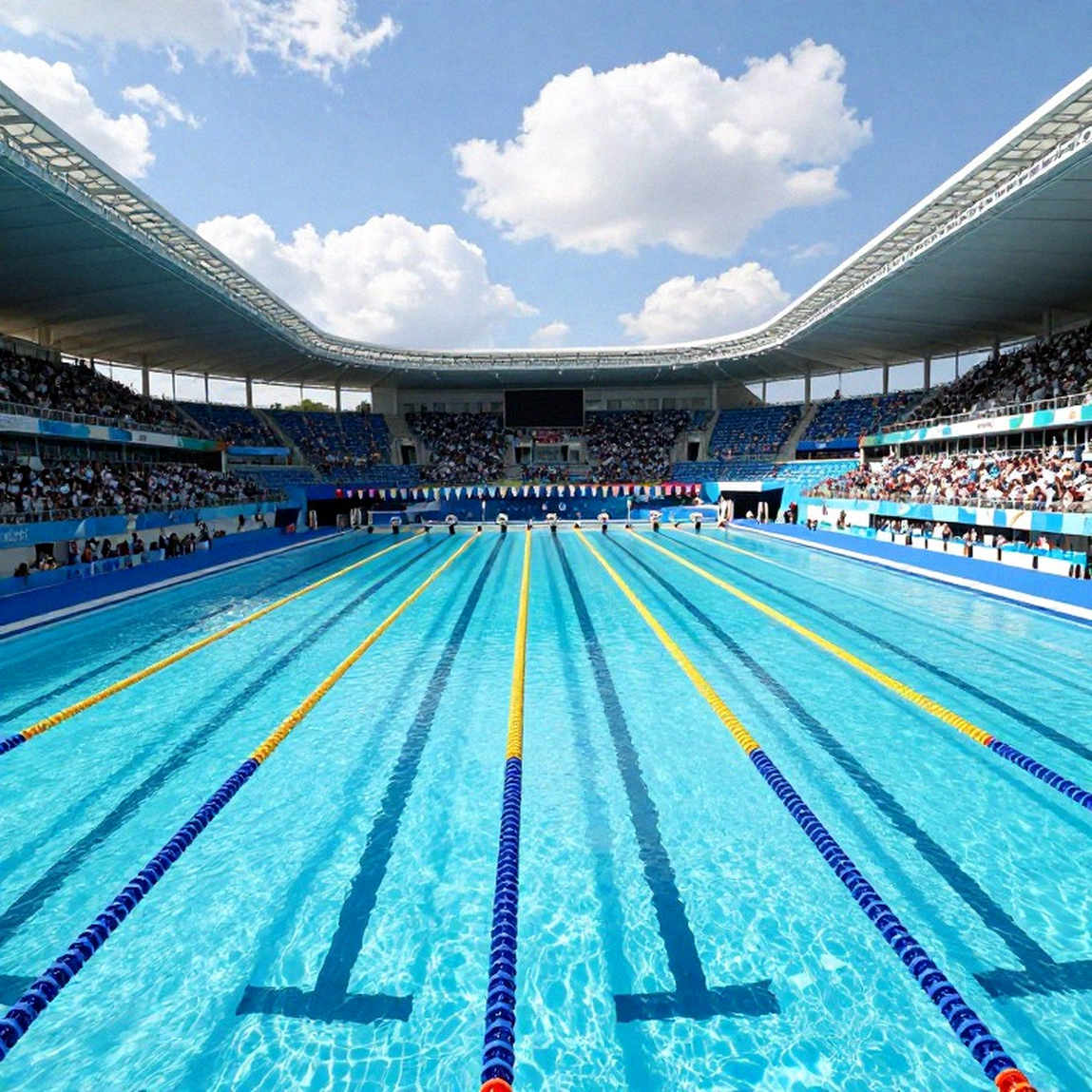
On the relay, the arithmetic is simple. A relay leg from a flying start is typically 0.3 to 0.5 seconds faster than a flat start. From the 46.19 mark, the projected relay split lands around 45.7 to 45.9. In a Short Course World Championships final, that is competitive but not dominant. It is the value of a good relay leg, not the value of an event winner.
The 50m butterfly is the lowest-value line item on the entry list. It is a non-Olympic individual event, it does not directly serve the relay goal, and it carries a marginal physical cost. My own tracking of World Cup tours over the years shows these secondary entries are usually about sharpening race feel.
One variable the report leaves blank deserves mention: age and workload. McEvoy is in the post-peak phase of his career, and adding 100m volume at that age is not a neutral change. The shoulder is the common occupational injury for sprinters. No injury data is given, and I will not infer from silence.
Record-holder aura does not transfer to the 100m, and the discretionary route moves risk to a committee
I do not argue with emotion, I present a data chain. And the data chain here says every 100m projection rests on a single sample from 2026 with no split data. That is a small-sample, low-recency situation. The most questionable hidden assumption in the report is the line that he will almost certainly get a discretionary pick. That is one author's opinion, attached to an internal condition: the squad has not yet reached the 24-athlete cap. If that cap fills before a decision is made, the discretionary spot vanishes.
There is also a wording problem. The selection clause speaks of individual events. The goal McEvoy has stated is a relay berth. Applying an individual clause to a team spot is not automatic, and if the spot is granted, it sets a precedent for how the rule is read. That is governance risk, not athletic risk.

In a swimming nation with a strict selection culture, skipping the domestic meet to take the discretionary route generates real public pressure. That pressure grows if another Australian sprinter swims fast at Nationals, something the report never addresses. It turns a pool story into a committee-room story.
Correlation is not causation. His 1.09 second long course improvement over a decade does not prove that speed transfers to the 100m. Two different energy systems, two different preparation models. Being right too early is also a form of rejection — and so is predicting too early here.
What to watch
When an editor says no, I learn to listen to the data. This time the data says the observation window is short and decisive. The World Cup stops will settle the 100m question quickly, in weeks rather than seasons.
The only signal I care about is the second 50 split. If it lands at 24.0 seconds or better in short course, the speed-endurance capacity is relay-grade. If it does not, the 50m record halo stays a halo, and the discretionary spot becomes an argument about rules rather than about water.