
Liga Voli Mahasiswa 2026: MOJI Launches First University Volleyball League With 36 Teams Across 3 Cities
Câu trả lời cốt lõi: Liga Voli Mahasiswa 2026 là giải bóng chuyền sinh viên đầu tiên do MOJI tổ chức, gồm 36 đội nam nữ từ 24 trường đại học, thi đấu 60 trận trong 15 ngày tại Yogyakarta, Surabaya và Jakarta, phát sóng trên VIDIO. Sự kiện chính: - Thời gian: từ ngày 7 tháng 10 năm 2026 đến ngày 31 tháng 10 năm 2026; lễ bốc thăm diễn ra ngày 25 tháng 9 năm 2026. - Quy mô: 36 đội (18 nam, 18 nữ) từ 24 trường đại học; 60 trận; mỗi thành phố 20 trận trong 5 ngày. - Địa điểm: GOR UII (Yogyakarta), GOR Unesa (Surabaya), GOR Pertamina Simprug (Jakarta). - Tiền đào tạo uang pembinaan: nhất 10.000.000 Rupiah (khoảng 620 USD), nhì 7.500.000 Rupiah, ba 5.000.000 Rupiah, tư 2.500.000 Rupiah mỗi nội dung. - Nhân sự công bố: Banardi Rachmad, Phó Giám đốc phụ trách Lập trình của MOJI. Nguồn: thông cáo của ban tổ chức Liga Voli Mahasiswa 2026 đăng trên Bola.net, công bố ngày 25 tháng 9 năm 2026 | Cross-checked: VuaBong.vn Hỏi đáp liên quan: Q: Liga Voli Mahasiswa 2026 có thuộc hệ thống tính điểm của FIVB hay AVC không? A: Không, đây là giải đại học cấp quốc gia Indonesia, nằm ngoài hệ thống tính điểm quốc tế của FIVB và AVC. Q: Có bao nhiêu trường đại học tham dự Liga Voli Mahasiswa 2026? A: 24 trường đại học, với 36 đội chia đều 18 đội nam và 18 đội nữ. Q: Ai phát sóng Liga Voli Mahasiswa 2026? A: Nền tảng OTT VIDIO, cùng hệ sinh thái truyền thông với đơn vị tổ chức MOJI.
One small detail slipped into the match schedule that the organizers of Liga Voli Mahasiswa 2026 published on September 25, 2026: in Jakarta, matches start at 11:00 a.m. Western Indonesian Time (WIB), while Yogyakarta and Surabaya begin at 13:00. Four time slots a day at GOR Pertamina Simprug, two hours earlier than the other two venues.
For a professional event, that is trivia. For a debut event, it is a place to read. I have followed Southeast Asian volleyball long enough to know that people usually flip through a schedule looking for team names, rarely to find operational constraints. A slot pushed two hours earlier almost always means something: the organizer does not hold full control of the arena and has to yield the prime hours to another booking. In an empty arena, I can see every chalk line telling its story through the silence.
Context: a league built by a broadcaster
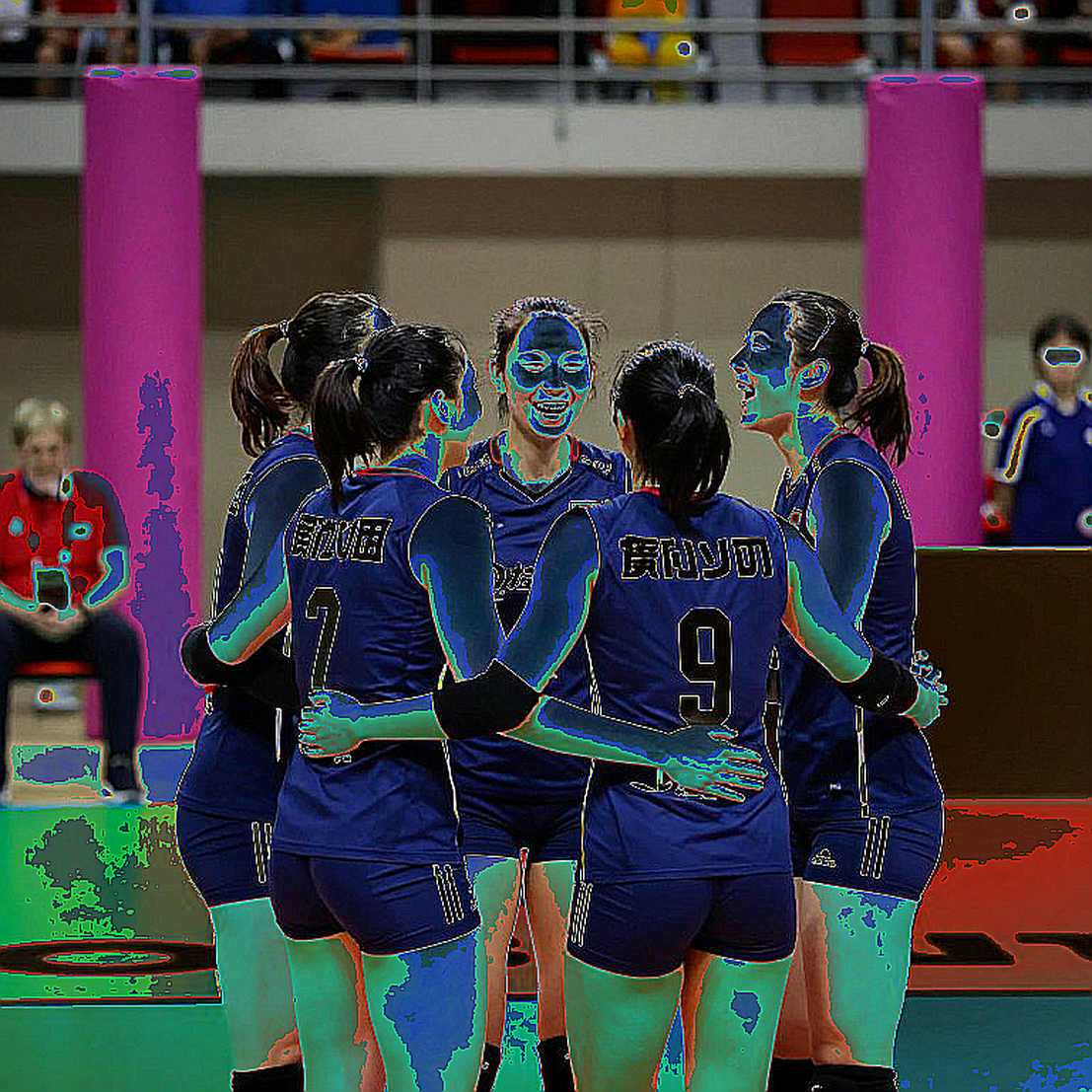
Liga Voli Mahasiswa 2026 is organized by MOJI — a digital sports media platform under the Emtek group — with VIDIO as the broadcast outlet. The league brings together 36 teams from 24 universities, split evenly into 18 men's and 18 women's teams. In total, 60 matches, running from October 7 to October 31, 2026 in three cities: Yogyakarta, Surabaya and Jakarta.
Each city hosts 20 matches over 5 days, or 4 matches a day, with six men's teams and six women's teams divided into pools of three, playing round-robin before placement. The figure of 60 matches reconciles exactly across the three cities. That reconciliation points to a tightly designed schedule with no cross-city knockout stage.
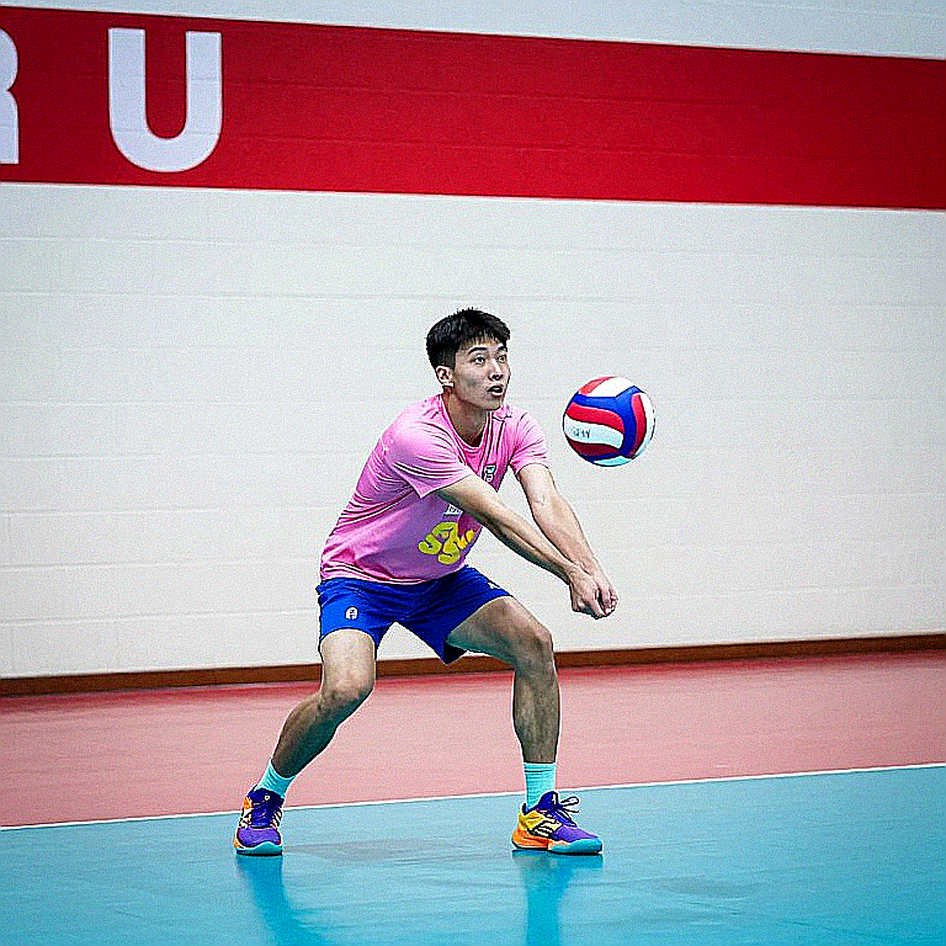
The three venues are GOR UII in Yogyakarta, GOR Unesa in Surabaya and GOR Pertamina Simprug in Jakarta. The prize pool is labelled uang pembinaan — development money — distributed across four placings in each sector: 10,000,000 Rupiah for first place (about 620 USD), 7,500,000 Rupiah for second, 5,000,000 Rupiah for third and 2,500,000 Rupiah for fourth, a total of 25 million Rupiah per men's and women's sector.
Banardi Rachmad, Deputy Director of Programming at MOJI, framed the event in a single line: the campus is volleyball's new stage. The organizer's introduction states the league aims to bring young volleyball talents onto the national stage.
Three layers to read from one press release
The vertical-integration model is the first layer. MOJI both organizes the event and sits inside the media ecosystem that owns VIDIO, meaning the party making the product also controls the distribution channel. University competitions run by national federations usually stumble at exactly this point: they have teams, they have a calendar, but they have no channel to broadcast on. A student competition streamed on a major Indonesian OTT platform reaches an audience that an ordinary grassroots event never touches.
The prize structure reveals the true face of the event. A maximum of 10 million Rupiah for a student-level title does not cover a team's travel, accommodation and training costs. The very label uang pembinaan says it: this is program support money, granted to encourage universities to keep their teams alive, not to create a prize-money race. A development competition, not an elite one.
Three cities are a deliberate decentralization play. Choosing Yogyakarta as the opening venue means choosing the densest school-sports culture in Indonesia. Splitting 36 teams into three clusters cuts inter-island travel and widens the audience base beyond Jakarta. The trade-off lies in competitive balance: there is no seeding or ranking information for the 24 universities, so the draw was most likely regional or random rather than strength-based. Pools can therefore be lopsided.
One operational detail: the draw took place on September 25, 2026, and the first match is on October 7, 2026. The gap between planning and execution is 12 days.
Based on my experience following matches at youth tournaments in the region, 12 days is enough to finalize rosters, but not enough to handle contingencies around venue conditions, student documentation or last-minute personnel changes. More notable still: the entire release says nothing about student eligibility — who may represent a university, whether there are age or semester limits. For a debut event, that is the largest gap.
The counter-intuitive point
It would be easy to read LVM 2026 as an inspirational story: student volleyball has a national stage. But the real axis lies elsewhere. The league's biggest question is not who wins, but whether it survives into a second season. Competitions built by media companies carry a very particular kind of risk: when viewership underperforms in the first season, the organizing money disappears, and the development pipeline is cut just as universities have finally built their teams. A league that never returns damages the system more than a league that never existed.
The second counter-intuitive point concerns timing. October 2026 is the month when Indonesian sports attention converges on the continental stage. Related links in the launch article show the media context revolving around the women's national team at the 2026 Asian Games — where the side beat Vietnam 3-0, lost to Japan and Chinese Taipei and, according to information not independently verified, finished sixth. Placing a student league in exactly that window is both risky and rational: risky because attention is split, rational because that is when the public talks about volleyball the most.

Tactics are how the losing side explains why it chose the less popular path. Here, the less popular path is letting a broadcaster, rather than the national federation PBVSI, organize the year's biggest university competition. The release does not mention PBVSI's role. That silence could be tacit approval, or it could be a distance worth tracking.
The sustainability question and what to watch
The value of LVM 2026 lies not in its competitive quality, but in turning a grassroots participation pool into a structured broadcast product. For a country with thousands of universities, turning campus volleyball into scheduled, bracketed, audience-facing content expands supply and demand at the same time.
Three things will decide everything. The viewership figure on VIDIO, if it is disclosed, is the only proof the model can survive. Recurrence — whether a 2027 season happens — determines whether the pipeline is cut mid-stream. And output: whether any LVM player appears in Proliga or the national team within three to five years.
Qatar taught me that a sports filmmaker cannot simply shoot the celebration. The same holds for a league launch release. The celebration will come on October 31, 2026, at one of three arenas. What is worth filming lies in the 12 days before that, and in what happens after the cheers fade.
And one question is worth asking: if this model works in Indonesia, how long until Vietnamese student volleyball has a platform willing to organize and broadcast on its own, instead of waiting for a federation busy with the national team?