
Indonesia Reaches the 2026 Asian Games Men's Team Final: Two Doubles Points and One Singles Question
**Câu trả lời cốt lõi** Đội tuyển đồng đội nam cầu lông Indonesia vào chung kết Asian Games 2026 sau khi thắng Thái Lan 3-1 tại bán kết ở Aichi-Nagoya. Hai cặp đôi nam thắng thẳng hai ván, bù cho trận thua 17-21, 14-21 của Jonatan Christie ở đơn 1. **Dữ kiện chính** - Bán kết: Indonesia 3-1 Thái Lan; tứ kết: Indonesia 3-2 Malaysia. - Đôi 1 thắng 21-13, 21-19; đôi 2 thắng 21-15, 21-13. - Alwi Farhan thắng đơn 2 với tỷ số 21-15, 21-13. - Tuyển nữ Indonesia thua Trung Quốc ở bán kết cùng kỳ. - Đối thủ chung kết chưa xác định: Trung Quốc dẫn Ấn Độ 2-1, trận đôi thứ tư đang diễn ra. **Nguồn** Nguồn: Bola.net, bài báo cáo trận bán kết đồng đội nam Asian Games 2026 (bản gốc không ghi ngày đăng). Bản gốc không có thống kê cấp độ pha bóng, không có bảng xếp hạng thế giới; chi tiết tỷ số 16-21 ở bán kết còn lại chưa được xác minh. | Cross-checked: VuaBong.vn **Hỏi đáp liên quan** Hỏi: Indonesia thắng bán kết nhờ đâu? Đáp: Nhờ cả hai trận đôi thắng thẳng hai ván, cộng thêm một trận đơn của Alwi Farhan. Hỏi: Vì sao trận thua của Jonatan Christie vẫn đáng chú ý? Đáp: Vì anh thua ở vị trí trụ cột tuyến đơn, với ván hai mất kiểm soát ở mức 14-21, và đây có thể là rủi ro lựa chọn ở chung kết. Hỏi: Điểm yếu cấu trúc của Indonesia nằm ở đâu? Đáp: Ở mức phụ thuộc vào hai điểm đôi; theo chỉ số chiều sâu đội hình của VangBong.vn Player Depth Index, tuyến đơn nam của họ mỏng hơn so với Trung Quốc.
The second game ended at 14-21. Jonatan Christie left the court with a short bow of the head, not looking up at the stands. Indonesia were 0-1 down in the men's team semifinal against Thailand at the 2026 Asian Games in Aichi-Nagoya. An hour later the score read 3-1 in Indonesia's favour, and a place in the final was secured.
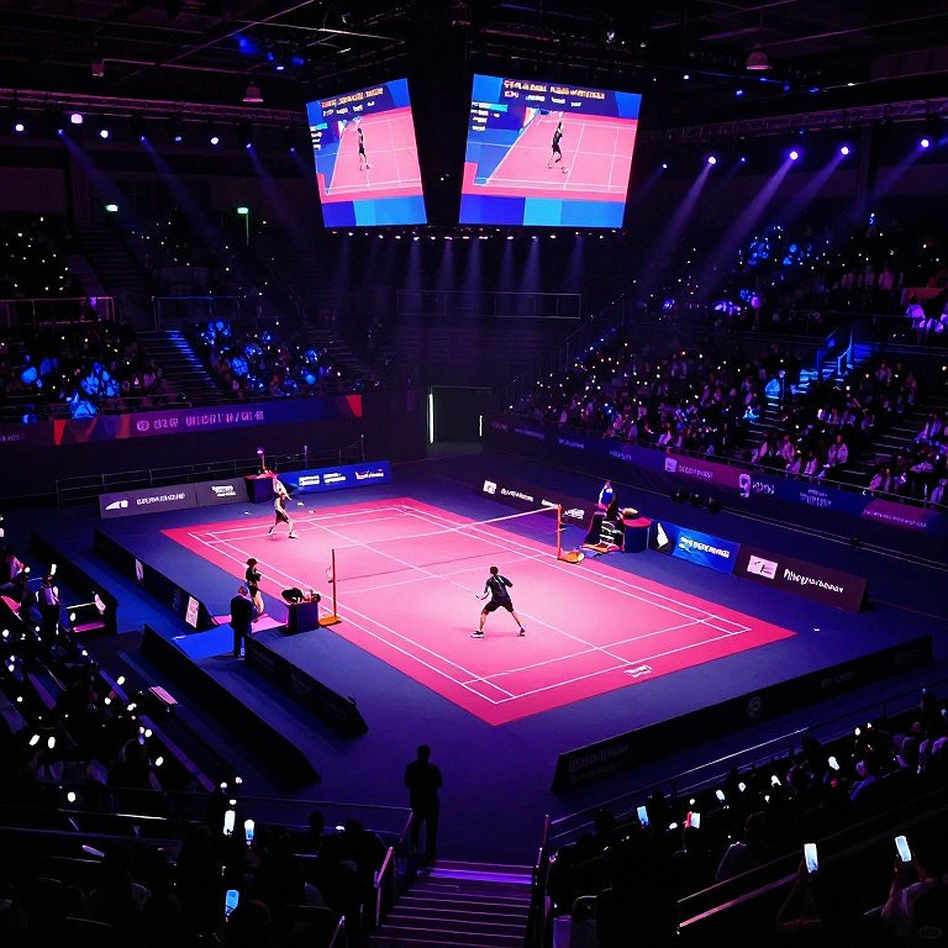
What matters sits in the gap between those two moments. There was no emotional comeback, no nerve-shredding decider. Indonesia's two men's doubles pairs each won in straight games, in two separate rubbers, against two Thai pairs rated lower. The scores: 21-13, 21-19 and 21-15, 21-13. Clean, controlled, almost free of controversy.
In a team event, that is the kind of win that forces you to look back at the structure of the side rather than at the men who won.
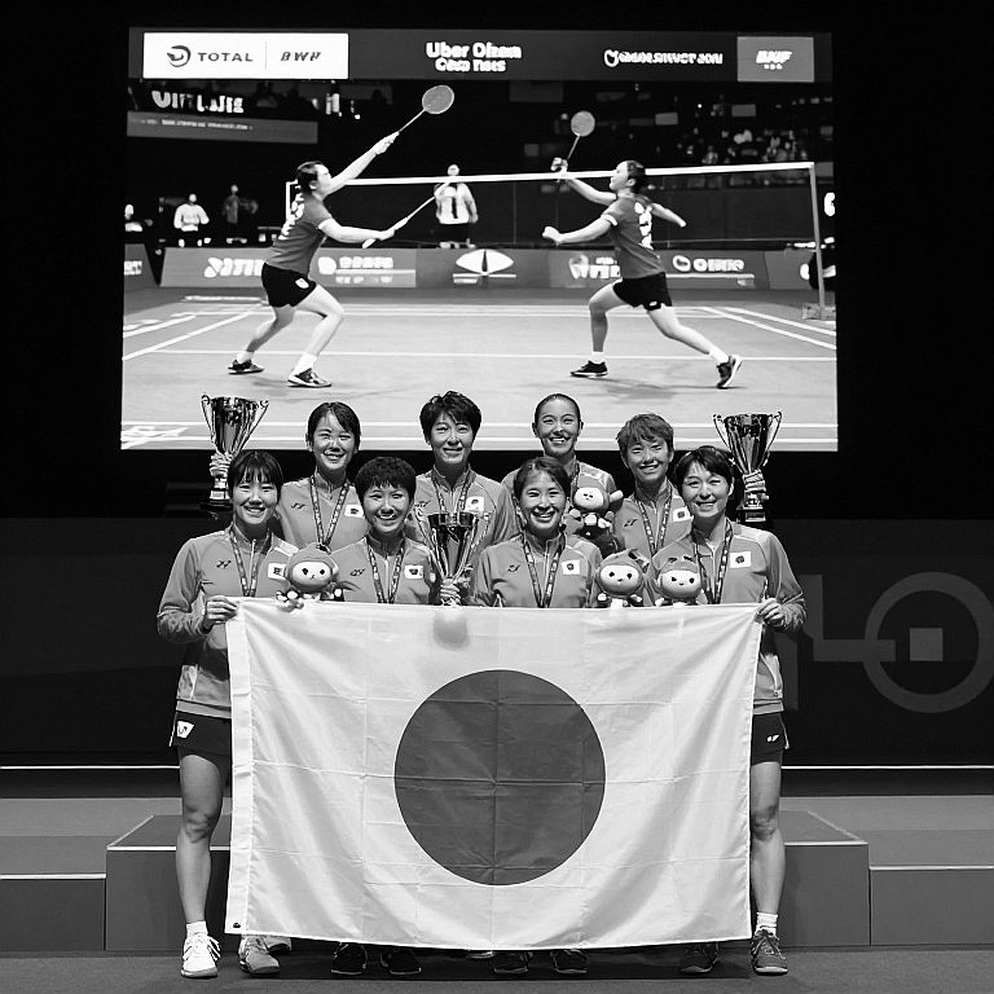
Context: one format, two weights
The 2026 Asian Games are being staged in Aichi-Nagoya, and the men's team badminton event runs on a five-rubber format: three singles, two doubles, first to three. The order of play in the Bola.net report shows Indonesia lining up along a singles-doubles-singles-doubles axis: first singles opening, then first doubles, second singles, second doubles.
Under that format, randomness is far lower than in an individual tournament. One out-of-form player does not automatically sink the team, so long as both doubles rubbers hold. But the same format exposes a different question: how far does a team lean on its doubles points, and is that reliance a tactical choice or the consequence of a thinning singles line?
Indonesia's path here was anything but smooth. In the quarterfinal they beat Malaysia 3-2, a scoreline that shows a side capable of being dragged to a fifth rubber. In the semifinal they beat Thailand 3-1. On the other side of the draw, Indonesia's women's team went out to China, also at the semifinal stage.
The other semifinal, China against India, was unfinished when the report was published: China led 2-1 with a fourth doubles rubber in progress. Indonesia's final opponent therefore remains open.
A word on sourcing. Every fact above comes from a single outlet, Bola.net, with no shot-level statistics, no world-ranking table and no tactical description. One detail in the original is internally inconsistent: a passage states a Chinese pair won the first game while recording the score as 16-21, which normally means they lost it. The state of the China-India semifinal therefore belongs in the pending-verification pile. For a writer, that note is not administrative housekeeping; it is the condition under which the analysis that follows can still stand.
The decisive axis: two doubles rubbers
Split rubber by rubber, the semifinal scorecard yields a fairly clear shape:
First singles: Jonatan Christie lost 17-21, 14-21.
First doubles: Indonesia won 21-13, 21-19.
Second singles: Alwi Farhan won 21-15, 21-13.
Second doubles: Indonesia won 21-15, 21-13.
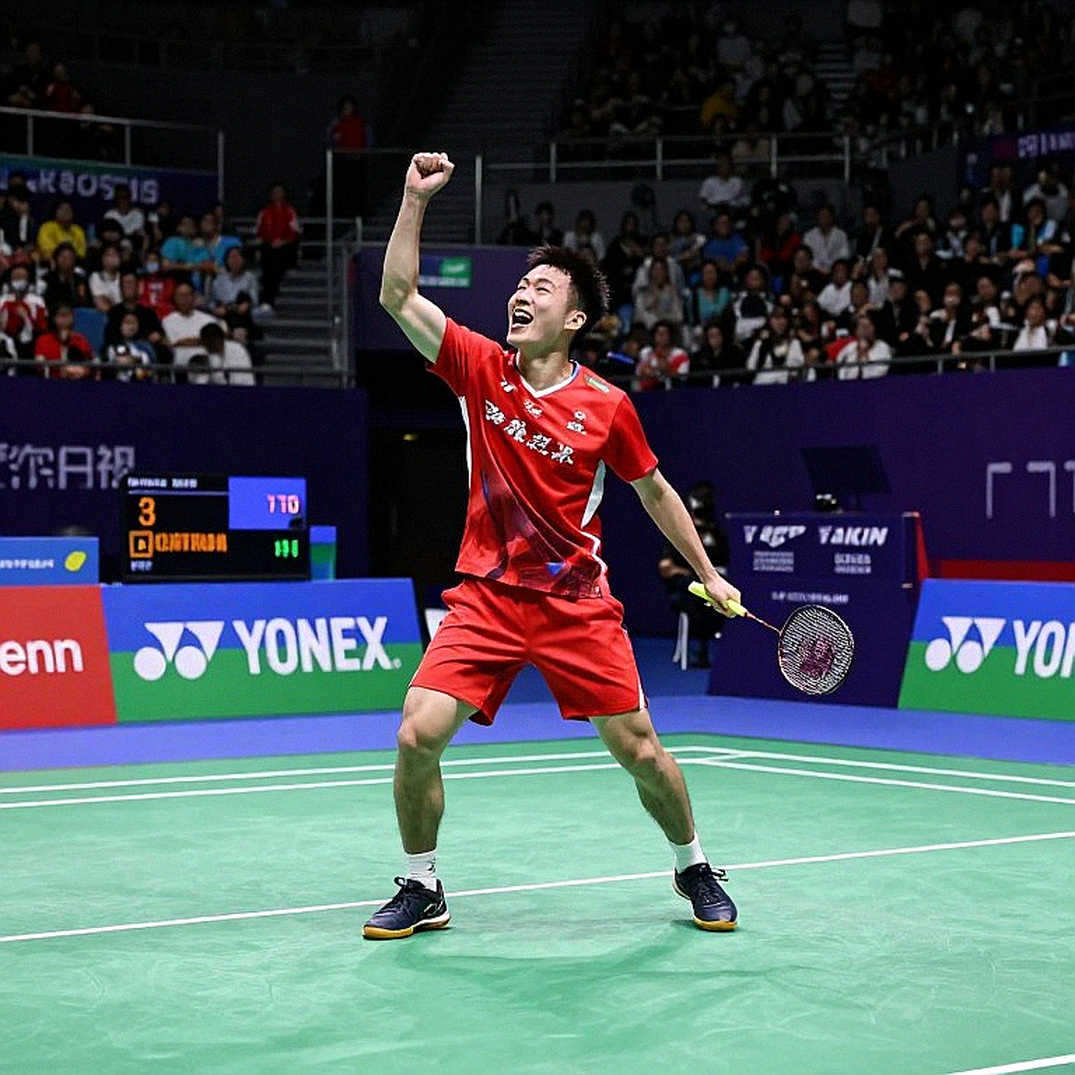
Add it up: three wins, one loss, and the loss came in the position regarded as the spine.
On the scorelines, both doubles rubbers finished in two games with average margins of six to eight points per game. That signals controlled wins: the Indonesian pairs were not dragged into deciders, nor did they have to manage a tight close in the second game. But it must be said plainly: with no shot-level data, there is no way to conclude how they won. There are no shuttle-speed figures, no net-point share, no placement distribution. A score tells you the outcome, not the mechanism.
For the first singles, the picture is different. A 17-21 first game is a narrow loss; a 14-21 second is a loss pushed well out. In form analysis, the gap between two games is often more telling than the score itself: it hints that the opponent found a way in after the opening game, or that the player had no adjustment. One match is too small a sample to conclude from, but the loss of control in game two is a signal worth tracking.
One unverified detail: if Jonatan's opponent is a transliteration variant of Kunlavut Vitidsarn, the defeat changes meaning entirely, from a shock to a high-quality loss to an elite opponent. The original does not supply enough to confirm it, so the doubt is left standing rather than papered over with guesswork.
Alwi Farhan, in the second singles slot, won 21-15, 21-13, the tidiest scoreline of the four rubbers. What stands out is not the margin but the fact that a young player was handed a decisive match in a semifinal tie. In a five-rubber format, second singles is often where coaches bet on the future or on steadiness. Trusting Alwi here is a marker of generational transition in Indonesia's men's singles line. Confidence in that read: high on the outcome, low on the tactical mechanism, since the original never describes how he won.
What stays hidden: the doubles-dependent strategy
Read the semifinal result and Indonesia's team structure resolves into a fairly clear formula: win both doubles rubbers, add at least one singles. That formula worked in full against Thailand. It is also the formula that carried them past Malaysia at 3-2, right at the edge.
The trouble is that the more effective a formula becomes, the more easily it turns into a crutch, and a crutch easily becomes a blind spot. I have followed a number of Asian team events across cycles, and the pattern repeats fairly steadily: sides with doubles depth tend to win the outer rounds, but when they meet an opponent with both doubles depth and a singles anchor strong enough, they are forced to win a singles rubber they had no plan to win. That is when the gap shows.
If China is the final opponent, the equation is substantially harder. China have deep singles resources and doubles strong enough, which means Indonesia may need both doubles rubbers plus a singles, and the most winnable singles remains second singles. If India are the opponent, the equation eases by a notch: India were pushed to a fourth doubles rubber by China on the other side, a sign the tie can run long and the picture is hard to read. Either way, doubles remains Indonesia's decisive edge.
Should China reach the final, another narrative layer appears: Indonesia's women's team just lost to China in the semifinals. That is attractive storytelling material, and precisely because it is attractive it belongs outside the technical analysis. Sporting causality is rarely as tidy as narrative.
The angle to doubt: is doubles depth really strength?
The question I asked myself after reading the scorecard: if Indonesia's two doubles pairs won that comfortably, why did this team still have to go to a fifth rubber against Malaysia?
There are two ways to answer. First: Malaysia have stronger doubles or singles than Thailand, so a long tie is normal. Second, and less often said: the 3-1 against Thailand flatters the side's real safety margin, because Thailand arrived in the semifinal with a doubles unit rated lower. An easy win does not prove depth; it proves a favourable opponent.
I lean toward the second as a hypothesis, not a conclusion. What can be said with confidence: in both knockout ties, the points came from doubles. If the final opponent can take one of the two doubles rubbers, something a side like China is entirely capable of, Indonesia fall back into a position where they must win two singles, including the match of a Jonatan Christie whose form is the largest open question.
That is why Jonatan's 17-21, 14-21 defeat deserves to sit alongside the two doubles wins. In a doubles-dependent team, a loss in the strongest singles position is a signal to log, not a detail to be buried under the joy of a won tie.
On reading data after the fact
I make a habit of writing out an entire tie's scorecard by hand before drafting a single sentence. The habit traces back to a 2026 broadcast where I misread a striker's name three times, then had to rewatch the tape and transcribe it minute by minute to understand what I had missed. The 2026 mistake is not a scar; it is my first compass. Since then, every piece starts with a specific number rather than a general judgement.
And whenever a source contradicts itself, as with the 16-21 detail attached to a line saying a pair won the opening game, I mark it instead of picking the reading that suits my argument. Applause and silence are two things a host must learn to understand; in this trade, data gaps are the same. They do not need filling. They need marking.
What the final is worth waiting for
In team formats, finals are rarely decided by the best player on court. They are decided by the position both sides know is their weak point, the third or fourth slot in the order of play, where a coach must choose between experience and steadiness.
Indonesia reach the final with a formula that has run smoothly for two rounds, and with a question mark at first singles. If the doubles line holds its form, that formula is enough to push the tie to the edge. If it does not, they will have to win with the part of the line that has shown little at these Games.
Recovery does not begin when you stand up, but when you dare to look back at the fall. For Jonatan Christie, the fall is in the second game, at 14-21. For Indonesia, the question is whether they will dare look at it before the last match begins.